
Review · OSH
Horse riding in Kyrgyzstan, Truly Nomadic Land
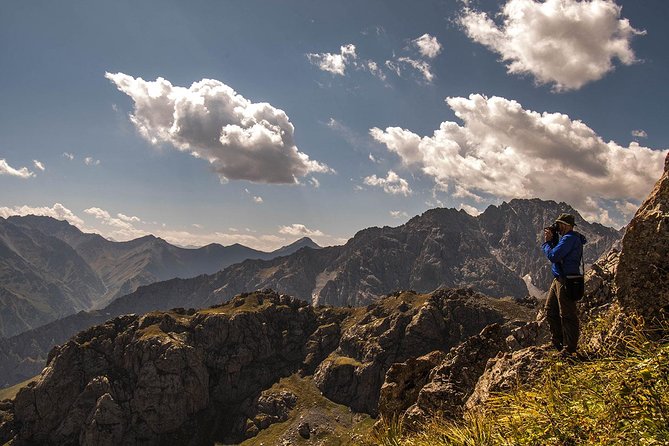
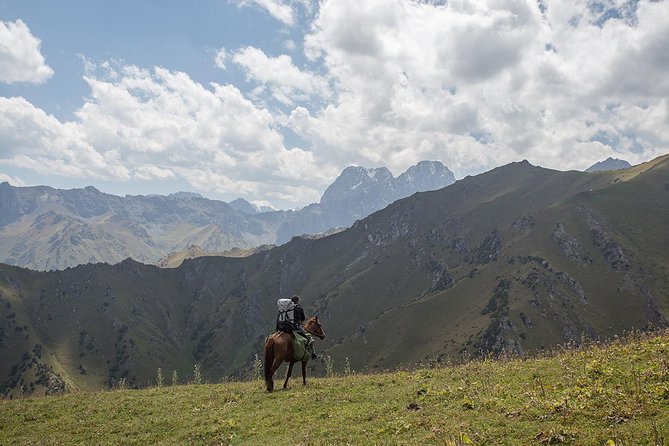
Ride into the real Kyrgyzstan. This five-day horseback journey from Osh takes you into the Alay Mountains, where dirt roads give way to narrow trails, felted yurts, high passes, and the daily rhythms of nomadic life. I like the small six-person group, which should make the riding pace and personal attention far better than on a large organized trip. I also like that beginners are welcome, so you do not need years in the saddle to take part.
The main thing to consider is the physical demand. You will ride as far as 18 kilometers in a day, climb more than 1,000 meters on some stages, and spend up to six hours in the saddle. The horses carry your gear, but your body still has to handle long days, steep ground, and mountain conditions.
This is not a sightseeing drive with a short horse ride added on. It is a proper mountain trek with four nights in yurts, meals cooked along the route, and two memorable high passes: Airy Bell and Ak Tor. The scenery earns the highest praise, and guide Simba is singled out for his guiding and photography skills. That combination makes this one of the strongest ways to see the Alay region without rushing through it.
Key points before you book
- Six people maximum: The small group allows closer contact with the guide and a more manageable pace on mountain trails.
- No riding background required: The trip accepts beginners, though a moderate level of fitness is still needed.
- Four nights in yurts: You sleep in traditional felted yurts rather than returning to a city hotel each evening.
- Two major mountain passes: Airy Bell Pass and Ak Tor Pass provide the trek’s biggest climbs and widest views.
- Useful load-carrying arrangement: A separate horse carries up to 15 kilograms of your gear, per person.
- Strong value for an active trip: The $1,020 price includes transport, horses, a horseman, an English-speaking guide, nine meals, and hot drinks.
Why this five-day ride feels different
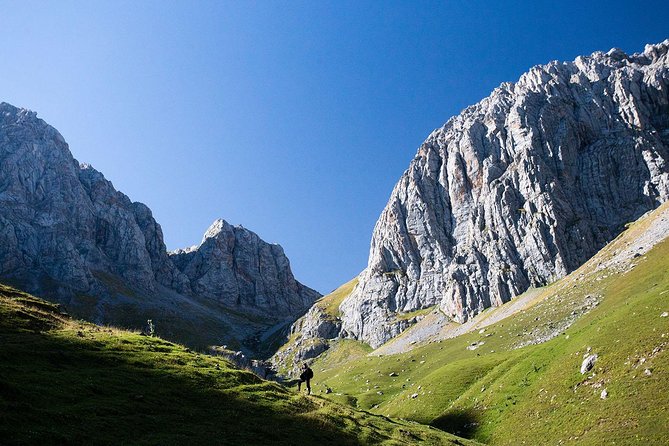
The Alay Mountains are best seen slowly. From a vehicle, you may notice the broad valleys and snowy ridges. From horseback, you follow streams, dirt roads, and rough tracks at the pace of the animals. You have time to notice the changing ground beneath you and the way homes and camps fit into a pastoral life that has continued for centuries.
I like the way this trip connects riding with local culture. On the third morning, you see a demonstration of milking and the making of dairy products from horse and cow milk. That is a small part of the program, but it gives the journey a human center. You are not simply passing through a mountain area for photographs.
The group size matters here. Six people is small enough for the guide to keep an eye on riders, help with basic horse handling, and adjust the pace when needed. It also means fewer horses and less fuss at camp. A horseman joins the trip, while an English-speaking guide handles the route and communication.
The riding is open to all levels, but do not confuse that with effortless. The route includes steep climbs, long descents, and several days with four to six hours of riding. If you can manage sustained outdoor activity and are comfortable being around horses, the lack of previous riding experience should not put you off. If you rarely exercise, this is not the place to test your limits for the first time.
A few more horse rides around Kyrgyzstan worth a look
- 4 Days Issyk Kul & Chon Kemin with Nomadic Stay, Horse riding
★ 5.0 · 41 reviews - 2-Days in Song Kul Lake as Nomad – horseback riding & Yurt stay
★ 5.0 · 33 reviews - 3 Days Issyk Kul lake & Chon Kemin: Eagle show, horse riding
★ 5.0 · 33 reviews
From Osh to the Tepshi camp on day one
The trip begins with private transport from Osh toward Gulcha along the Pamir Highway. That drive is part of the setting, not just a transfer. It takes you out of the city and toward the broad mountain country of the Alay region.
From Gulcha, you begin riding up a dirt road beside the Kara Bulak stream. The first day covers about 12 kilometers, with a major ascent of 1,218 meters and a descent of 154 meters. The figures tell you what the day feels like: not especially long in distance, but serious in climbing.
The route leads toward Tepshi camp, where you spend the night in a yurt. After the transport from Osh, the first riding day gives you a quick lesson in how the trek works. You settle into the horse, learn the rhythm of the group, and start gaining height through the valley.
The short distance can be misleading. A 1,218-meter climb is not a gentle warm-up, especially if you have not ridden for a long time. Take the first day slowly. Let the horse find its pace, listen to the guide, and resist the urge to treat the early miles like a race.
Airy Bell Pass and the first big views
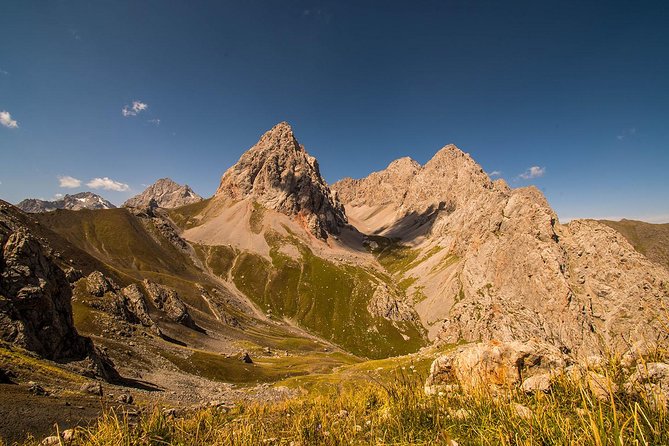
Day two covers about 14 kilometers and lasts roughly five hours. You leave the yurt after breakfast and follow a small trail toward Airy Bell Pass. The route includes a steep climb that takes about an hour by horse, followed by a descent of 1,087 meters.
Airy Bell is one of the trip’s main rewards. Reaching a high pass under your own power gives the day a clear purpose, and the view from the summit is described as especially impressive. This is the kind of place where the horse is more than transport. It lets you reach a remote viewpoint without reducing the experience to a road trip and a short walk.
The descent deserves respect. Riders often focus on the climb and forget that going downhill can be harder on the legs, back, and balance. Your guide and horseman should set the pace, but you should still expect a full day outside. Wear clothing that lets you move freely, and keep anything you need during the day close at hand rather than buried in the load horse’s bags.
You return to a yurt after the ride, with breakfast, dinner, and hot drinks included as part of the overall program. The accommodation is traditional and practical. Do not book this expecting hotel-style privacy or city comforts. Book it for the chance to sleep in the same kind of felted shelter used across Kyrgyzstan’s high pasture country.
Dairy-making and the route from Sary Oi
The third day covers about 13 kilometers and lasts around five hours. It begins with one of the most distinctive cultural parts of the trip: a demonstration of milking and making dairy products from horse and cow milk.
This morning gives the schedule a useful change of pace. After two climbing days, you get an easier start before descending from Sary Oi. The day still includes a 1,020-meter ascent and a 223-meter descent, so it is not flat or simple. The program just places the cultural activity before the main riding rather than sending you straight onto the trail.
I especially like this part because it explains the purpose of the animals around you. The horses are not only used for trekking. Milk, transport, work, and daily survival are linked in the local economy. A short demonstration makes the nomadic way of life easier to understand than a generic cultural talk.
The day may suit riders who want more than mountain views. You get time to see a practical tradition, then continue through the Alay country on horseback. Still, the cumulative effect of several riding days begins to matter here. Even a beginner may find that the saddle feels different on day three than it did on day one.
Same saddle, a different kind of ground:
- Horseback riding on the mountains of Chon Kemin National Park
★ 5.0 · 31 reviews - 1 Day Chon Kemin tour with Horse Riding
★ 5.0 · 28 reviews - A superb horse riding in Chon Kemin valley, 1 day
★ 5.0 · 27 reviews - 2 Days Issyk Kul Lake Canyons Horse Riding and Yurt Stay
★ 5.0 · 24 reviews
Ak Tor Pass and the longest mountain day
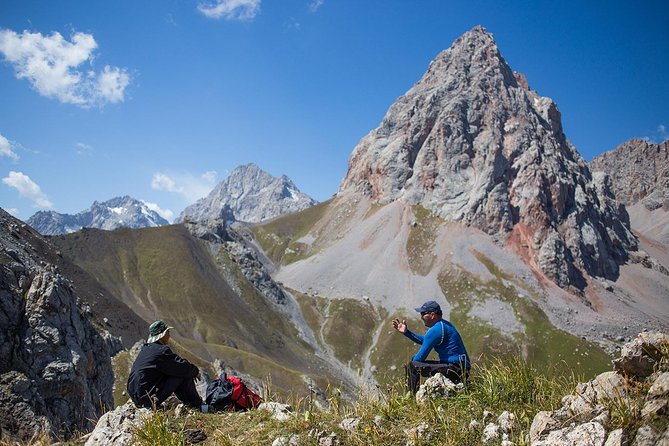
Day four is another serious stage. You ride about 14 kilometers for approximately six hours, climb 757 meters, and descend 1,283 meters. After breakfast, the route crosses the headwaters of the river and turns south toward the entrance of the pass.
A steep 500-meter climb takes you to the summit of Ak Tor Pass. The ascent is short in distance but demanding in angle. You will want to follow instructions closely, keep your weight balanced, and let the horse work steadily rather than pushing for speed.
Ak Tor gives the trek a second high point after Airy Bell. Having two passes on the route keeps the journey from feeling like one repeated valley ride. Each climb marks a new section of the mountains, and each descent shows how quickly the terrain can change.
The 1,283-meter descent is the key practical concern. Six hours of riding, much of it on changing ground, can be tiring even for an experienced rider. If you are new to horseback riding, expect some stiffness. The program is suitable for beginners, but suitability does not remove the need for basic fitness and patience.
Kosh Moinok Pass and the ride to Murdash
The final day covers about 18 kilometers, the longest distance of the trip. It includes an ascent of 846 meters and a descent of 1,515 meters, with about six hours on horseback.
You begin by riding toward Kosh Moinok Pass. Once you pass the final rise, the route winds down through the Murdash area toward Murdash village. The last day gives you a proper sense of leaving the high country behind, though the large descent means it is not an easy finale.
The long downhill section may be the hardest part for some riders. Your horse does much of the work, but you still need to stay balanced and attentive. Keep your expectations realistic: the final day is a full mountain stage, not a gentle ride back to the vehicle.
Finishing in or near a village gives the route a natural ending. You move from high passes and yurt camps toward settled life, rather than simply retracing the road to Osh. Private transportation is included, but the exact transfer arrangement should be confirmed when you book if your onward plans are tight.
What the $1,020 price covers
At $1,020 per person, this is not a budget day trip. It is priced as a supported five-day expedition, and the included services help explain the cost.
The price includes:
- Private transportation
- A riding horse
- A horse to carry up to 15 kilograms of your gear
- A horseman
- An English-speaking guide
- Breakfast on four mornings
- Lunch on five days
- Dinner on four nights
- Gas and a stove for hot tea and coffee
That package has real value. Transport from Osh, animal support, guiding, camp meals, and a load horse would be difficult to arrange separately. The six-person maximum also gives you a more personal trip than a large coach-based excursion.
You should budget for the items left out. Hotels and meals in Osh are not included. Alcoholic drinks, insurance, flights, other domestic or international transport, tips, and services outside the standard program are also extra. A sleeping bag costs $30 per person, so bring one if you have a suitable bag and want to avoid that charge.
The meal plan is substantial for a five-day ride. Lunch is included every day, while breakfast and dinner cover the four nights in camp. Hot tea and coffee are supplied through the stove setup. You should not expect a restaurant menu or a wide choice at every meal, but warm food and drinks matter after a long climb.
Yurts, horses, and daily comfort
The yurts are one of the best reasons to choose this trek. They give you a direct connection to the region’s nomadic culture and keep the overnight experience tied to the route. You are not riding into the mountains by day and retreating to a modern hotel each evening.
Comfort will be simpler than in Osh. The supplied information does not specify every yurt facility, so you should ask the operator about sleeping arrangements, washing facilities, and what bedding is provided before departure. The $30 sleeping bag option is the clearest sign that you need to plan for basic camp conditions.
Your main luggage should stay within the 15-kilogram limit carried by the pack horse. Pack compactly. Keep a small day bag with water, sun protection, a warm layer, personal medication, and anything you need during the ride. The horses carry the bulk, but you should not assume you can access every item whenever you want.
The horses make the route possible, yet the trip is not designed as a fast riding holiday. You are crossing mountain ground, so the animals need a steady pace. A first-time rider may appreciate that approach. An advanced rider looking for galloping or technical sport riding may find the program too restrained.
The guide and the small-group advantage
The experience has a five-star rating from 42 published ratings, with every recorded recommendation positive. The strongest praise focuses on the beautiful scenery, professional operation, and Simba, who is described as an excellent guide and a skilled photographer.
That photography skill is a useful bonus in a place where the views are a major part of the reward. It does not replace good route management, but it can add value if you want strong memories of the trip without spending the whole ride taking pictures yourself.
With only six people, the guide can give clearer instructions and keep the group together on steep ground. You also avoid the delays that come with a large party of mixed ability. A small group can feel more social without becoming a crowd.
The trade-off is that a small fixed group leaves less room to disappear into your own routine. If you want total independence, this is not the right format. You follow the standard route and camp plan, with services outside that program costing extra.
Who should book this Alay horse trek?
I would recommend it to you if you want an active, culturally grounded trip and are happy to trade hotel comfort for mountain access. It suits:
- First-time riders who have moderate fitness and a patient attitude
- Experienced riders who want scenery and local culture rather than fast riding
- People who enjoy small groups and guided travel
- Visitors based in Osh who want a structured five-day trip into the Alay Mountains
- Anyone interested in yurts, mountain passes, and traditional dairy production
I would think twice if you dislike long hours outdoors, steep descents, basic overnight accommodation, or changing mountain weather. The trip is open to beginners, but it is not a low-effort introduction to riding.
The seasonal operating window runs from June 10 through September 20, 2026. That gives you a defined summer period for planning. Confirmation is sent within 48 hours of booking, subject to availability, and the group is capped at six people, so advance planning makes sense. The average booking lead time is 33 days.
You can cancel for a full refund up to 24 hours before the start time. After that point, refunds and changes are not accepted. Travel and health insurance are not included, so arrange your own cover before setting off.
Should you book this Kyrgyzstan horseback trek?
Book it if your ideal Kyrgyzstan trip includes high mountain passes, yurt nights, local food traditions, and real time in the saddle. The route is long enough to feel like an expedition, yet the small group and included support keep it manageable for fit beginners.
The best value comes from the combination of transport, horses, a pack animal, guide, horseman, meals, and hot drinks. The biggest cost is not money. It is the five days of physical effort and the willingness to sleep simply.
If you want a polished resort experience, choose something else. If you want to move through the Alay Mountains at a traditional pace, with Simba or another guide helping you follow the route, this is an unusually strong choice. The two passes, the dairy demonstration, and the yurt camps give the ride a sense of purpose beyond simply checking off mountain views.
FAQ
How long is the horseback tour in Kyrgyzstan?
The tour lasts approximately five days, with riding scheduled on all five days.
Where does the tour begin?
The experience is based in Osh. On the first day, private transportation takes you from Osh toward Gulcha along the Pamir Highway before the ride begins.
How many people can join the group?
The maximum group size is six people.
Do I need previous horseback riding experience?
No. Previous horseback riding experience is not required, but you should have a moderate level of physical fitness.
Are meals included?
Yes. The package includes five lunches, four breakfasts, and four dinners. Gas and a stove for hot tea and coffee are also included.
Is a sleeping bag provided?
A sleeping bag is not included as standard, but one can be rented for $30 per person.
Just added around Kyrgyzstan
- Horseback Riding in Alay Valley★ 5.0 · 3 reviews
- 3 days horse back riding to Song-Kul lake whole year round★ 5.0 · 21 reviews
- Year-Round Adventure: 3 Days Horse Trek to Song Kul Lake★ 5.0 · 16 reviews
- Chunkurchak Day Tour: Sky Bridge, Horse Riding and Archery★ 5.0 · 14 reviews
- Horse Trek to Kel Suu Lake★ 5.0 · 7 reviews
- Scenic Horse Riding tour to Chon Kemin Valley★ 5.0 · 3 reviews
- From Bishkek Horse Riding in Arashan Mountains★ 5.0 · 4 reviews
- 4 Days Issyk Kul & Chon Kemin: Horse Riding and Nomadic Yurt Stay★ 5.0 · 4 reviews
Kyrgyzstan Horseback Riding Tours, compared.
4 Days Issyk Kul & Chon Kemin with Nomadic Stay, Horse riding
Read our review →
2-Days in Song Kul Lake as Nomad – horseback riding & Yurt stay
Read our review →
3 Days Issyk Kul lake & Chon Kemin: Eagle show, horse riding
Read our review →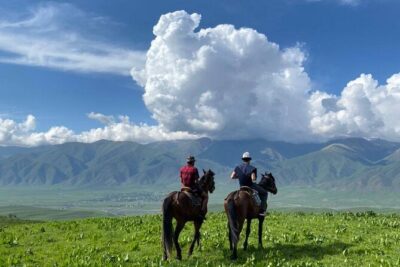
Horseback riding on the mountains of Chon Kemin National Park
Read our review →
A superb horse riding in Chon Kemin valley, 1 day
Read our review →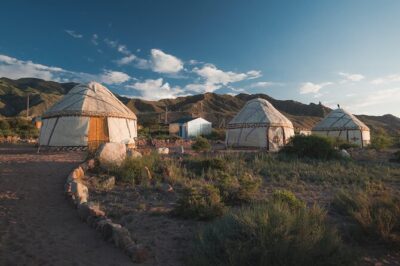
2 Days Issyk Kul Lake Canyons Horse Riding and Yurt Stay
Read our review →
3 days horse back riding to Song-Kul lake whole year round
Read our review →More rides of this kind