
Review · ULAANBAATAR
Mongolia Nomad Trek • On-Foot & Horseback ~ 15 Day
Mongolia rewards the willing. This 15-day Tusker Trail journey takes you from Ulaanbaatar to the remote Altai Mountains, where you hike river valleys, ride with Kazakh horsemen, camp beside high lakes, and visit nomadic families. I especially like the blend of walking and horseback travel, plus the chance to see eagle hunting and ancient petroglyphs without reducing the region to a quick sightseeing stop.
I also like the personal touch from founding guide Eddie Frank, who teaches riding clinics for beginners and leads the expedition into the western mountains. The main caution is clear: this is a demanding trip with long drives, high camps, rough ground, cold conditions, and days of seven to nine hours on the move. You need strong physical fitness, patience, and a genuine appetite for remote-country travel.
Key things to know before booking
- You cross the Altai by foot, horse, and camel-supported camp, with routes reaching more than 10,000 feet.
- Eddie Frank teaches basic riding skills, making the horse portion possible for people who are new to riding.
- Khoton Lake and Tsagaan Gol provide the trip’s most memorable camp settings, with forests, grassy valleys, glaciers, and snow-covered peaks.
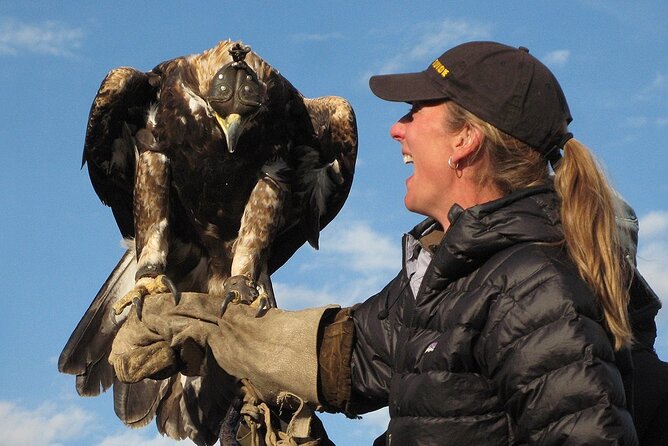
- Kazakh eagle hunters, Tuvan families, ger visits, horse games, and handmade crafts bring real local contact to the journey.
- The Potanin Glacier sits below Khuiten Peak, Mongolia’s highest point at 14,350 feet.
- The $8,250 price includes private transport and 13 breakfasts, lunches, and dinners, but not flights from your home to Mongolia.
Why this Altai trip is different
Mongolia is enormous, and the western Altai feels far removed from the capital. This is not a coach tour with a few staged cultural stops. After two nights in Ulaanbaatar, you fly west to Bayan Ulgii, transfer deep into the mountains, and spend much of the trip moving between camps.
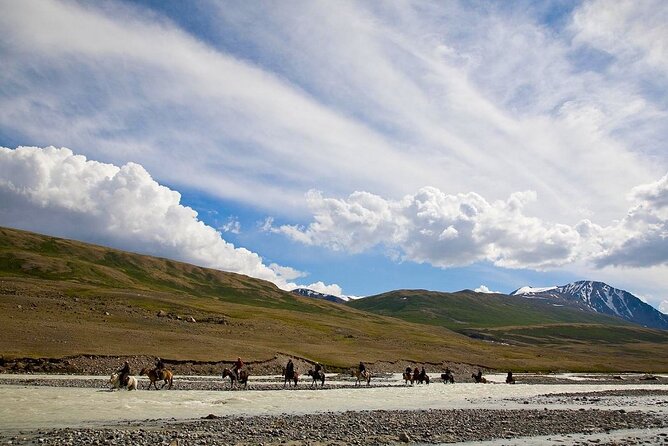
The journey follows a practical rhythm. You walk for part of the day, ride when the terrain allows, and let the expedition crew move equipment by camel. That matters because you can experience the region at a human pace without carrying every item on your back.
The cultural side is just as important as the scenery. Kazakh families still live in gers, local horse games remain part of community life, and eagle hunting continues as a living tradition. You are not simply looking at a museum display. You are visiting people whose daily customs are tied to animals, weather, land, and family.
The strongest praise for this trip centers on its sense of connection. Eddie Frank is not only the founding guide and expedition leader. He also helps beginners learn to ride, which can make a big difference when you are far from a riding school and surrounded by open country.
More Hikes and Treks in Mongolia:
- Terelj National Park: Tour with horse riding and hiking
★ 5.0 · 46 reviews - MONGOLIAN NOMADS: 2-Day Horse Trekking & Cow Milking Tour
★ 4.8 · 23 reviews - 2 Day Horse trekking in Terelj national park
★ 4.3 · 5 reviews
Two nights in Ulaanbaatar before the mountains
Your trip begins in Ulaanbaatar, at about 4,429 feet. A Mongolian guide meets you at the airport and takes you to the Tuushin Hotel, where you spend the first two nights.
The first day is intentionally light. You can rest after your international flight or walk around the capital with members of your group. That flexibility is useful because the journey becomes much more demanding once you head west.
Day two is your main city day. You can choose among museums, restaurants, street food stalls, shops, and Mongolian cashmere stores. In the evening, your guide takes you to the State Academic Theatre of Opera and Dance for a two-hour cultural performance, with traditional music, costumes, and stories from Mongolia’s past.
This opening works well. You get a taste of urban Mongolia before heading into a remote region with few modern comforts. Still, do not expect a full city tour with every major sight covered. The emphasis is on getting settled, meeting your guide, and preparing for the expedition.
Bayan Ulgii and the road to Khoton Lake
On day three, you take a flight of about three hours to Bayan Ulgii, at roughly 5,610 feet. The town is a useful transition point between city Mongolia and the western mountains.
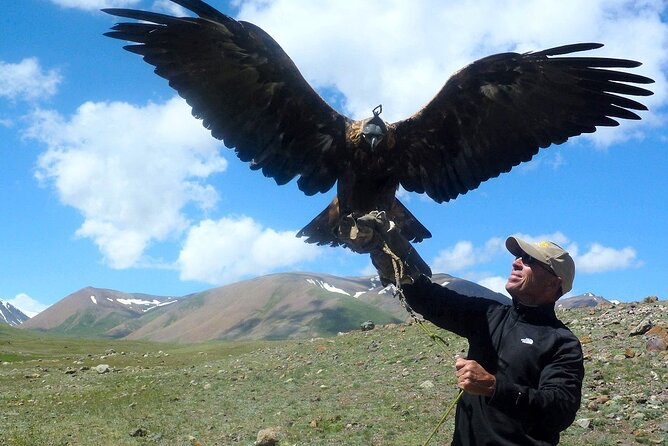
You leave your gear at a ger camp and visit the outdoor market. There is also an attempt to meet a local Kazakh eagle hunter and see one of these powerful birds up close. That encounter depends on local arrangements, so treat it as a planned possibility rather than a guaranteed private demonstration.
You then repack your belongings into waterproof Tusker duffels. These are easier for the expedition crew to load onto camels. This is a small but important detail: luggage discipline matters on a camp-based trek. Pack only what you need for the trail and keep the rest of your belongings organized.
Day four brings a seven to eight-hour drive southwest through Tsengel and across the Khovd River to Khoton Nuur. It is a long transfer, but it gets you to the starting point of the mountain section. The camp sits beside the lake, and you meet the nomadic trekking crew over dinner.
If you dislike long vehicle journeys on rough roads, this day may test you. If you see the transfer as part of reaching a remote corner of Mongolia, the payoff is the setting at the end.
Learning to ride beside Khoton Nuur
Day five is one of the smartest features of the schedule. Before the long trek begins, Eddie gives you basic instruction on riding a Mongolian horse using Australian saddles.
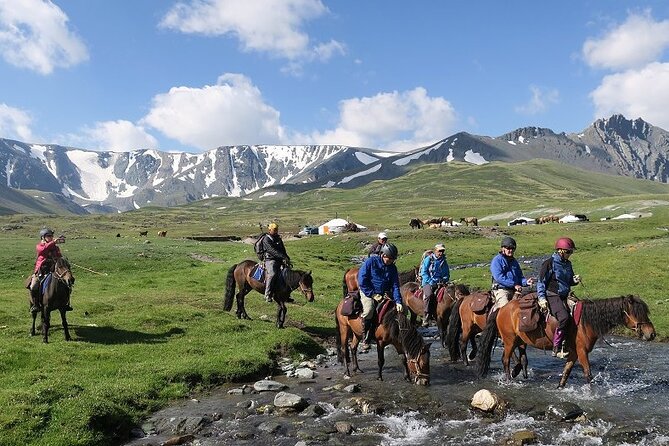
You then take a slow ride through the forested area above the lake. This is not presented as a fast horseback expedition. It is a chance to learn how your horse responds, find your balance, and decide how much riding feels comfortable.
That makes the tour more welcoming to beginners than a program that assumes years of saddle time. Still, beginner-friendly does not mean effortless. You should expect to spend time around horses and accept that riding can be tiring in different ways from hiking.
The day also includes a visit to Kazakh nomads in their gers. You learn about local traditions and attend the Tusker Nadaam, a set of horse games connected with the expedition. Local women display handmade crafts afterward, offering a direct way to support household makers and take home something tied to the region.
This is one of the trip’s best cultural days because it combines riding, conversation, hospitality, and recreation. You are not rushing through a formal presentation. The schedule leaves room for the people and setting to carry the day.
A few more horse rides around Mongolia worth a look
- Horseback Riding Tour to Turtle Rock & Aryabal
★ 5.0 · 54 reviews - Horse riding experience in Terelj National park 1 day
★ 4.8 · 30 reviews - Horse riding in Terelj National Park
★ 5.0 · 14 reviews - Full Day Private Tour in Terelj National Park with Horse Riding
★ 5.0 · 13 reviews
Following the Tsagaan Us River
On day six, the crew loads the camels and you begin trekking north through alpine forest. The route covers about 13 miles and takes five to six hours.
Khoton Lake sits in a glacial depression marked by horizontal benches, signs of earlier lake levels created by changes in glacial dams. The Tsagaan Us River is one of the lake’s three tributaries, flowing south from glaciers through the Altai.
You do not need a geology degree to appreciate the setting. The land gives you clues about how ice and water shaped the valley. At the same time, the route demands attention. You are walking at roughly 6,845 feet, often on uneven ground, with weather that can change quickly.
Day seven covers about nine miles and follows the Tsagaan Gol River. You cross to its eastern side and climb toward Cheben Hill, where camp looks over grassy plains dotted with ger camps and goats.
This camp has a quieter character. The altitude rises to about 7,050 feet, and the description of the hilltop setting suggests a peaceful evening rather than a packed activity schedule. That is welcome after the first full trekking day, but you should be comfortable with simple camp life and long periods outdoors.
Canyon walls, flooded riverbanks, and a high pass
Day eight is one of the most dramatic route days. You descend Cheben Hill toward the river gorge, then continue along the eastern bank of the Tsagaan Gol. The canyon walls rise around you, and the walking route sometimes moves high above the water when flooding makes the riverbank unsafe.
Riders can continue closer to the river while hikers take the higher route. This is a good example of how the tour handles mixed abilities within one private group. You are not forced to choose between riding every day or walking every day.
The camp sits in a broad valley with the white Tsagaan River in front and snow-covered mountains around it. The day lasts seven to eight hours and covers about 12 miles, so the scenery comes with a physical price.
Day nine is the hardest-sounding mountain day. You leave the gorge and climb to a pass at about 10,350 feet, covering roughly seven miles over eight to nine hours. If the weather has brought snow, part of the route may require digging a path.
That detail tells you what kind of trip this is. Conditions are not decorative. Rain, snow, altitude, and steep ground affect the actual route. After the pass, you descend steeply on foot into Sheveed Uul Gorge. This is a serious day, and good fitness is not optional.
Tuvan homes and ancient rock art
Day ten continues downhill for six to seven hours and about seven miles. You stop at a small ger community to meet Tuvan people, whose traditional beliefs include shamanistic practices.
At lunch, you see ancient petroglyphs in the Mongolian Altai. The rock art ranges from images dating back about 11,000 years to works from the ninth century. These carvings show animals, people, and scenes connected to earlier ways of life.
This is more than a quick photo stop. The drawings help explain why the Altai mattered long before modern borders, roads, or trekking camps. You can look at the same valleys and imagine how many generations used them for movement, hunting, and ceremony.
After a steep descent into the Tsagaan Gol valley, you spend two nights in one camp with views toward glaciers and high peaks. The overnight pause is well placed. By this point, your body has handled several demanding days, and the setting deserves time rather than a rushed departure.
A rest day before Potanin Glacier
Day eleven is a true rest day. You hike to a high plateau lake, then return to camp with time for laundry and relaxation.
The exact distance is not given, but the day is described as a scenic hike rather than a full route stage. That distinction matters. You still move, but you are not facing another long transfer or high pass.
This is also the best time to check your equipment, dry clothing, and care for sore feet. The tour provides meals, but you should still pay attention to personal snacks and hydration needs during the trekking portion. The information provided does not specify a packing list, so ask Tusker Trail what personal gear, medication, and altitude preparation you should bring.
Potanin Glacier below Mongolia’s highest peak
Day twelve brings another demanding outing, covering about nine miles over six to seven hours. The route climbs over frost-heaved ground toward Potanin Glacier in the Altai Tavn Bogd.
The glacier lies below Khuiten Peak, which reaches 14,350 feet and is Mongolia’s highest point. Nearby Nairamdal Peak marks the meeting point of Mongolia, Russia, and China.
Above the tree line, conditions become harsher. The area includes tundra, lichen-covered rocks, alpine meadows, and high mountain swamps. Plant and animal life is limited because of the cold and altitude, which gives this section a stark, stripped-back quality.
You do not need to climb Khuiten Peak to appreciate the day. The route is about reaching the glacier and seeing the high mountains from below. The frost-heaved ground may be rough underfoot, and the altitude can make a moderate distance feel much longer.
Riding out and returning to Ulaanbaatar
Day thirteen is your final day on the trail. You travel toward the national park ranger station, then unload the camels and meet vehicles for the return to Bayan Ulgii.
There is one last chance to ride at speed and let your horse run. That will appeal to confident riders, but it should not pressure beginners. You can enjoy the final ride at a pace that fits your experience.
The drive back takes six to seven hours, followed by an overnight stay at the ger camp. On day fourteen, you fly about three hours back to Ulaanbaatar and return to the Tuushin Hotel for a final night out.
Day fifteen ends with an airport transfer and onward plans. The published meeting information names Buyant Uhaa Airport in Ulaanbaatar, while the itinerary refers to Chinggis Khaan International Airport for departure. Confirm the exact airport and transfer instructions before you fly.
What the $8,250 price buys you
At $8,250 per person, this is a major purchase. The value comes from the logistics involved in reaching the Altai, not from luxury accommodation.
The price includes private transportation and 13 breakfasts, 13 lunches, and 13 dinners. It also covers the organized expedition structure, local guiding, camp support, camel transport for gear, the Ulaanbaatar hotel stay described in the schedule, domestic flights within Mongolia, and the cultural performance.
Your international flights to and from Mongolia are not included. The information also does not state that personal gear, insurance, tips, or optional purchases are covered, so ask for a full cost sheet before paying.
I see the price as reasonable for someone who would otherwise struggle to arrange remote transport, camp support, local horse handling, cultural contacts, and a route through high mountain country. It is poor value if you want a soft adventure, frequent showers, or a flexible sightseeing holiday.
Who should book this trip?
You should consider it if you want a genuine expedition with strong cultural contact and are ready for physical effort. It suits people who enjoy walking, can tolerate long transfers, and like the idea of alternating between boots and a saddle.
It is especially appealing if you are new to riding but curious about learning. Eddie’s riding clinics reduce the barrier, while the option to hike gives you another way to handle the route.
I would hesitate to recommend it to anyone with low fitness, limited tolerance for altitude, or a strong need for predictable weather. The route can involve snow, steep descents, rough ground, and long days. This is Mongolia at its most rewarding, but also at its least forgiving.
The tour is private, so only your own group participates. That can make the schedule more personal and may help the walking and riding plan adapt to your group’s abilities, though the provided information does not promise a specific group size.
Final verdict: book it for the connection, not comfort
I would book this trip for the Altai setting, the mix of riding and hiking, and the chance to spend time with Kazakh and Tuvan communities in their own region. The eagle hunters, horse games, ger visits, petroglyphs, glaciers, and high passes give the journey real range.
I would not book it simply because Mongolia sounds exotic. You need to accept demanding days, basic camp conditions, high altitude, and long transfers. If that sounds like the point rather than the problem, this 15-day route offers a rare way to meet Mongolia on its own terms.
FAQ
Where does the Mongolia Nomad Trek begin?
It begins in Ulaanbaatar, with airport pickup listed at Buyant Uhaa Airport. The final departure information refers to Chinggis Khaan International Airport, so confirm the current airport details before departure.
How long is the tour?
The tour lasts approximately 15 days.
Is horseback riding required?
No. The trip combines hiking and horseback riding, and you can complete sections on foot. Eddie Frank provides basic riding instruction for people who are new to horses.
What is the highest point on the route?
The route reaches a mountain pass at about 10,350 feet. The journey also visits Potanin Glacier below Khuiten Peak, which rises to 14,350 feet.
How physically fit do I need to be?
The tour requires a strong physical fitness level. Several days last six to nine hours, with steep climbs, high altitude, uneven ground, and possible snow.
What meals are included?
The price includes 13 breakfasts, 13 lunches, and 13 dinners.
Are flights from my home included?
No. Travel from your home country to Mongolia and back is not included. The itinerary does include domestic flights between Ulaanbaatar and Bayan Ulgii.
Can I cancel for a full refund?
You can receive a full refund if you cancel at least 24 hours before the experience start time. Poor weather or failure to meet the minimum number of participants may lead to a new date, an alternative experience, or a full refund.
Just added around Mongolia
- Full Day Chinggis Khaan Statue & Terelj NP Tour +Horseride, Eagle★ 5.0 · 7 reviews
- Chinggis Khan Equestrian Statue Complex & Terelj National Park -Private Day Tour★ 5.0 · 2 reviews
- Full Day Private Tour in Terelj National Park with Horse Riding★ 5.0 · 13 reviews
- 1 Day Semi-Gobi Tour with Lunch And Enjoying Camel or Horseback★ 5.0 · 9 reviews
- Horseback Riding Tour to Turtle Rock & Aryabal★ 5.0 · 3 reviews
- Terelj ,Khar khorum ,Horse ride , Camel ride , Monastery★ 5.0 · 3 reviews
- 2 Day Horse trekking in Terelj national park★ 4.3 · 5 reviews
- Horse riding in Terelj National Park★ 5.0 · 14 reviews
Hiking & Trekking, compared.
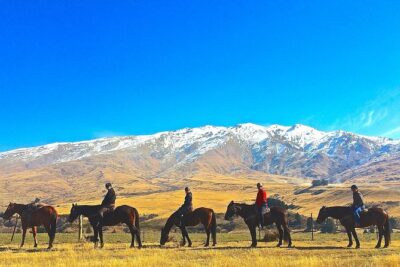
Cardrona High Country Pub Trail Horse Trek (Intermediate level+)
Read our review →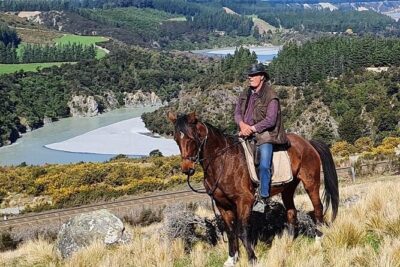
Rubicon Valley Horse Treks – 2 Hour River Trail Horse Trek
Read our review →
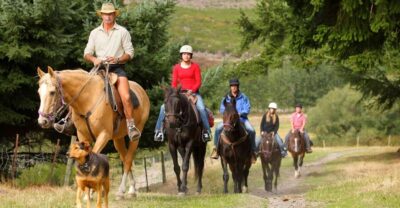
Queenstown: Walter Peak Horse Trek & Queenstown Lake Cruise
Read our review →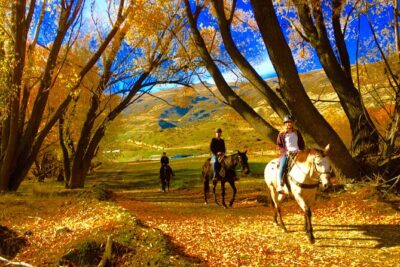
Gold Discovery Trail Horse Trek Cardrona – Most popular!
Read our review →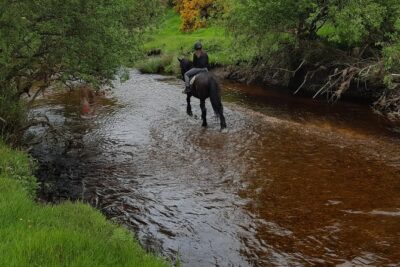
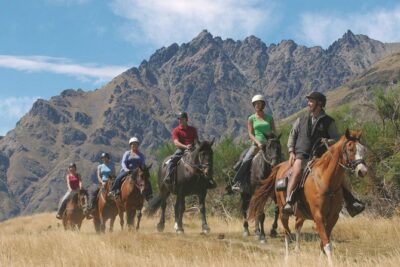
Half Day Walter Peak Horse Trek and Cruise from Queenstown
Read our review →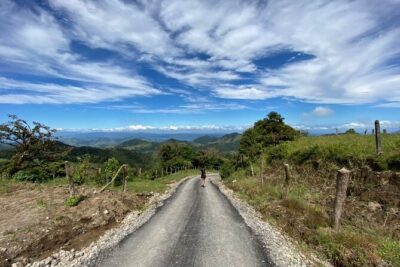
3-in-1 Monteverde Cloud Forest Waterfalls, Wild Trekking and Horseback Riding
Read our review →More rides of this kind