
Review · ARUBA
Aruba North Coastline: Small-Group Horseback Riding Tour
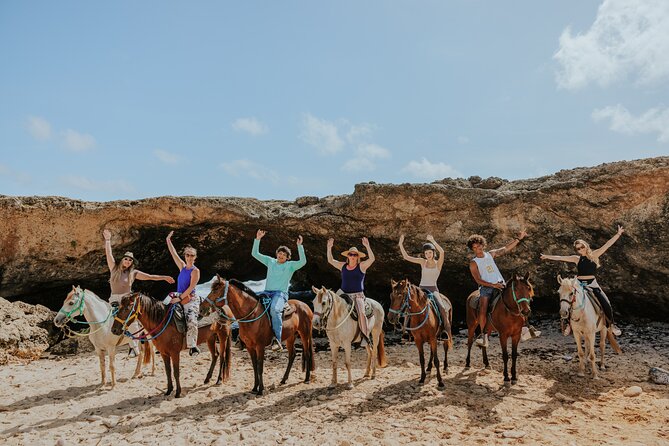
Aruba looks different from horseback. This small-group ride leaves the usual beach strip behind and follows the island’s rugged north coast toward Bushiribana Gold Mill Ruins and Wariruri Bay. I like the small group of no more than 10 riders, which gives the guides room to help beginners. I also like the mix of ocean views, cactus country, historic ruins, dunes, and beach riding in one outing.
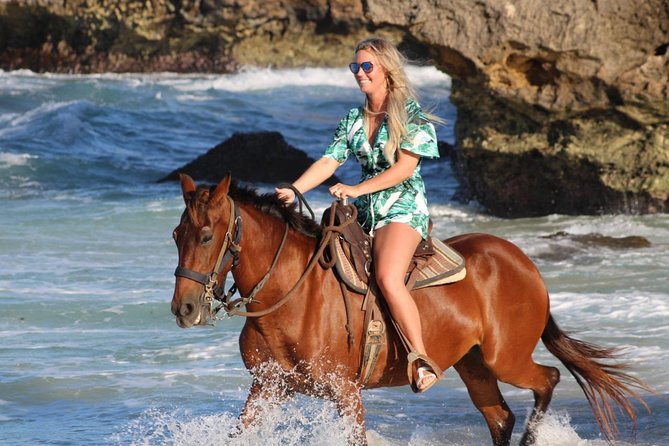
The main caution is that the tour is not a nonstop beach gallop. Much of the route runs through rocky, dry country, often in single file, and the beach portion may be used mainly for photos or a short ride. At $100 per person, I think the price is fair for the scenery, horses, instruction, guide service, and photo stops, but you should book it for the full north coast experience rather than for beach riding alone.
Key Points Before You Saddle Up
- Arrive at 3:30 p.m. Riding instructions begin before the scheduled 4 p.m. departure, and you cannot mount until the safety briefing is complete.
- The 220-pound weight limit matters. The tour information also mentions 225 pounds, but the specific rider limit is stated as 220 pounds, so contact the ranch if you are close to that figure.
- You ride past Bushiribana Gold Mill Ruins. This adds an unusual piece of Aruba’s gold-mining past to the coastal route.
- Wariruri Bay is the photo and beach highlight. Expect white sand, dunes, ocean views, and the baby natural bridge.
- First-time riders are welcome. Calm, trained horses and close guide support make this a reasonable choice for beginners.
- Dress for the saddle. Long pants and firm shoes are strongly advised. Helmets are optional for adults and required for children. Hats are not allowed.
Why This Ride Shows You a Different Aruba
Aruba is famous for bright sand, warm water, and easy resort days. That is precisely why a horseback outing on the north coast feels useful. You get away from the polished hotel zone and see a rougher side of the island, where wind, stone, cactus, surf, and old industrial ruins shape the view.
The route begins at The Gold Mine Ranch in Matividiri, near Paradera. The ranch sits right on the northern coast, so the scenery starts quickly. You are not spending the first half of the tour in a van heading toward the trail. Once you leave the ranch, the coast is already part of the experience.
I would choose this tour if you want something more active than a beach chair but less involved than a full-day adventure. The ride lasts about 1 hour 30 minutes to 1 hour 40 minutes, long enough to feel like a real outing without taking over your day.
The setting also gives your guide something to talk about. You learn about Aruba’s history and culture while passing sites that are difficult to reach by large tour bus. That combination, scenery plus local context, is one of the tour’s strongest features.
A few more horse rides around Aruba worth a look
- Horseback Ride Tour to Natural Pool in Arikok National Park
★ 5.0 · 1,147 reviews - Aruba Beach Ecological Horseback Ride
★ 4.5 · 1,083 reviews - Aruba Countryside: Horseback Adventure to Urirama Cove
★ 4.5 · 249 reviews
Starting at Matividiri: Instructions Before the Ride
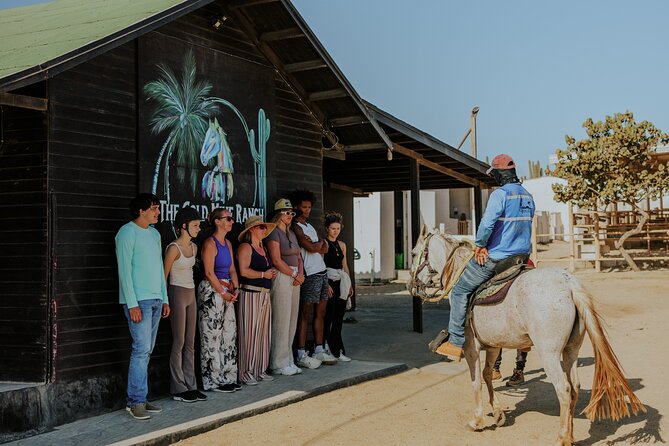
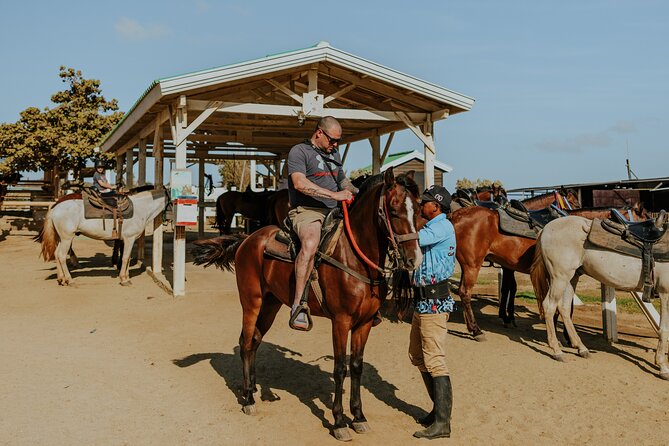
Plan to arrive at the ranch by 3:30 p.m., even though the ride itself is listed for 4 p.m. The riding and safety instructions come first, and everyone must complete them before mounting.
That timing is important for beginners. You get a chance to learn how to handle the reins and how to respond to the horse before the group heads out. Several riders with no prior experience found the instruction reassuring, and one first-time rider described feeling nervous at first but gaining confidence once the ride began.
The horses are repeatedly praised for being calm, gentle, well trained, and well cared for. That does not remove every risk. Horses are living animals, and one rider reported being kicked during the outing. Take the safety briefing seriously, keep the recommended distance from other horses, and follow the guide’s directions at all times.
The guides also receive strong praise for their patience and attention. You may hear names such as Jeanrick and Jesus mentioned by returning riders, along with warm comments about the wider ranch team. The key point is not any single guide. It is the close supervision, especially useful when a nervous beginner is learning how to sit, steer, and control speed.
Adults may wear helmets if they wish, and helmets are mandatory for children. I would use one. Aruba’s sun and wind can make the ride feel easy, but a helmet is a sensible bit of protection on uneven ground.
Riding the North Coast Past Rocky Country
The first part of the route takes you through the park and along the northern shoreline. You can expect broad ocean views, sea air, and a dry interior filled with the sort of rugged terrain that does not appear in resort brochures.
This is where expectations matter most. The ride is not a private, free-form outing. The horses may travel in single file, and sections of the route are rocky or cactus-covered. One less enthusiastic account found the ride too slow and felt the beach portion was brief. If you picture galloping beside the surf for the entire 90 minutes, you may be disappointed.
For most riders, though, the slower pace has a practical benefit. You have time to look around, listen to the guide, and stay comfortable in the saddle. The horses are managed as a group, and the guides can keep an eye on riders with different levels of ability.
Some riders are allowed to navigate the horses more independently or pick up the pace under instruction. Reports of gentle galloping add appeal for experienced riders, while the overall route remains approachable for beginners. The exact amount of faster riding can depend on conditions, the group, and the guide’s judgment.
I especially like the way this section connects the natural scenery with Aruba’s past. You are not simply following a generic trail. The coastline, old industrial remains, and local stories give the ride a sense of place.
Bushiribana Gold Mill Ruins and Aruba’s Gold Rush
The Bushiribana Gold Mill Ruins are one of the most distinctive sights along the route. The abandoned mill once processed ore from nearby hills during Aruba’s gold rush. Its stone remains sit in stark contrast to the open coastal setting.
You will not get a long museum visit here. The ruins are part of the riding route, so the stop is best understood as a short historical encounter. Your guide provides context as you pass through the area, helping you understand why this isolated structure exists.
This is valuable because Aruba’s past is often reduced to beaches and resorts. The gold mill adds another layer. It reminds you that the island was shaped by work, mining, trade, and tough conditions, not just tourism.
The historic stop also breaks up the ride nicely. After the coastal views and dry trail, the ruins give you a visual landmark and a story to carry into the next section. Bring your attention, not just your camera.
Same saddle, a different kind of ground:
- 2-Hour Horseback Riding Tour to Little Natural Bridge in Aruba
★ 5.0 · 210 reviews - Aruba’s Northern Coast Horseback Adventure
★ 5.0 · 197 reviews - Aruba Horseback Riding Tour For Advanced Riders
★ 5.0 · 122 reviews - Sunset Horseback Ride in Aruba
★ 4.5 · 116 reviews
Wariruri Bay, Dunes, and the Baby Natural Bridge
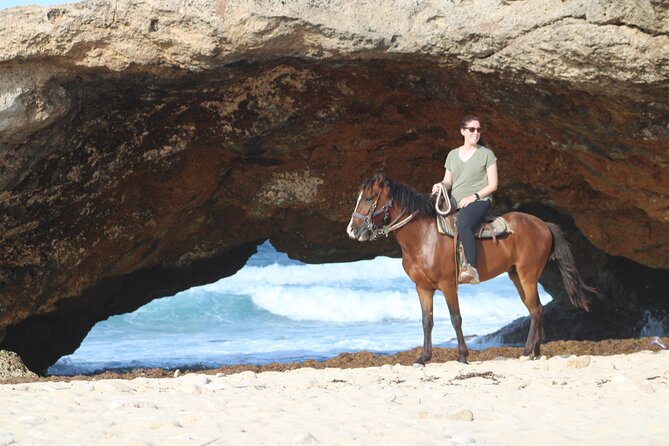
Wariruri Bay is the tour’s most scenic stop. Here, the route reaches white sand, beach views, and dunes, with the baby natural bridge providing a memorable backdrop.
This is where the guides often stop to take photos. They may use your phone, so make sure it is charged and easy to hand over. Individual portraits are common, but if you are riding with family or a partner, ask clearly for a group photo on horseback. One rider enjoyed the photo stops but wished for a family picture rather than only individual shots.
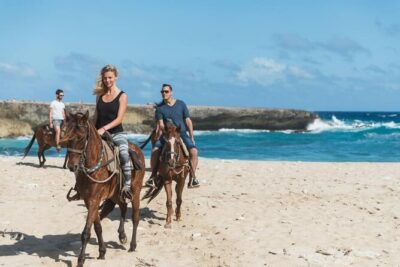
The beach experience can vary. The tour description includes riding on the beach, galloping through white sand dunes, and posing near the natural bridge. Yet the less positive account described only a short beach visit for photos and more time on rocky trails. You should treat the beach as an important stop, not a guarantee of extended beach galloping.
That distinction matters when comparing this outing with a dedicated beach ride. Here, Wariruri Bay is one part of a broader coastal and historical route. You get more variety, but less certainty that every minute near the water will be fast or open.
The bay is still a strong payoff. The ocean, pale sand, dunes, and unusual rock formation create the photographs most people hope to take from this experience. The wind can be strong, so secure your phone and leave loose hats behind. Hats are not allowed on the tour anyway.
What the Small Group Adds
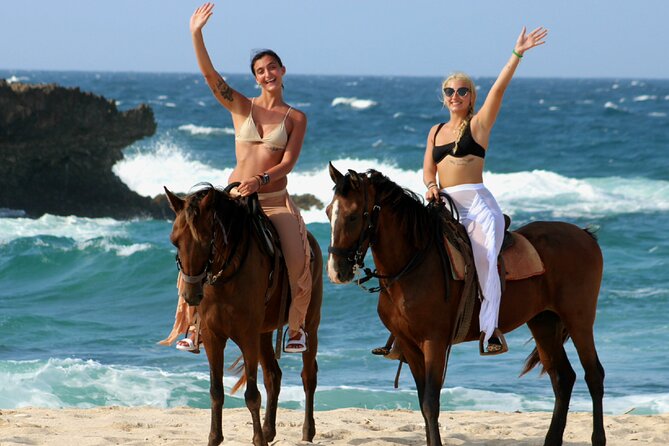
With a maximum of 10 people, the tour is small enough to feel personal without being private. That size gives the guides a better chance to notice if you are struggling with the reins, feeling uncomfortable, or unsure about the horse’s pace.
It also makes photo stops more manageable. A large line of riders can turn every picture break into a traffic jam. With fewer people, the group can pause, receive directions, and move along without as much waiting.
Small does not mean quiet or completely flexible. You still follow the group, and the horses may stay in single file. The ride is guided, not an independent trail outing. That structure is helpful for a first ride but may feel restrictive to experienced riders hoping to set their own pace.
I would consider the group size especially useful for families with older children, couples, and solo riders. The small setting can make it easier to ask questions and get help without stopping the whole operation.
Horses, Guides, and Comfort on the Trail
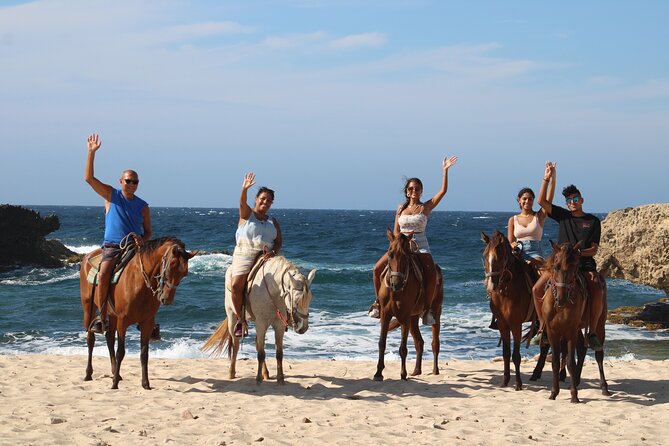
The horses are among the most praised parts of the experience. Riders describe them as sweet, gentle, beautiful, healthy, and well trained. Several people with previous riding experience felt the horses and guides exceeded expectations.
That matters more than fancy equipment. A well-matched horse can make a first ride feel manageable, while a poorly matched horse can sour the entire outing. The ranch provides saddles and tack, plus bottled water.
The guides also help with photos and keep the group moving safely. Their role is part riding instructor, part local storyteller, and part trail manager. You may receive help correcting the horse’s direction or pace, and the guides can stay close when a rider is nervous.
You should still prepare for physical effort. One rider noted stiffness and soreness after about 90 minutes, especially after galloping. Long pants help prevent rubbing, and firm shoes give you better support than sandals. I would avoid loose clothing and anything you would worry about getting dusty.
The tour information says most people can participate, but it also sets a rider weight limit. The stated limit is 220 pounds, with another note saying not to book above 225 pounds. Since the lower figure is more specific, use 220 pounds as the practical limit and contact the provider if needed.
Is $100 a Fair Price?
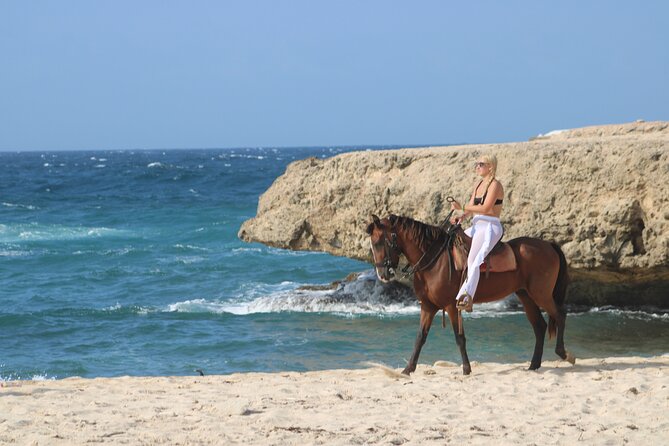
At $100 per person, this is not the cheapest way to see Aruba. The price makes more sense when you count what is included: the horse, tack, instruction, guide service, bottled water, coastal route, historic stop, beach stop, and photography help.
You also get an experience that reaches areas large buses cannot easily access. That is the real value. You are paying for access, supervision, and a structured way to see the north coast, not just for time sitting on a horse.
The value is strongest if you are a beginner or want a well-organized excursion. You receive instruction, a calm horse, and support throughout the ride. It is also good value for someone who wants a memorable activity during a short Aruba stay.
The price is less compelling if your only goal is a long beach gallop. Much of the route is through rocky, dry country, and beach riding may be limited. In that case, compare the experience with a tour specifically built around extended riding on sand.
Timing, Pickup, and What to Wear
The advertised start time is 4 p.m., but arrival and instruction begin at 3:30 p.m. The activity ends back at the ranch, at The Gold Mine Ranch Aruba, Matividiri 60, Paradera.
Hotel pickup may be available, but you need to contact the provider with your hotel information for the pickup time. Private transportation is not included, so confirm the arrangement before you count on a transfer. An air-conditioned vehicle is listed among the included features, which may apply to the provided transport service rather than a private car.
Wear long pants and firm shoes. No hats are allowed. Bring water if you prefer more than the supplied bottle, and keep your phone handy for photos without carrying loose items that can fall on the trail.
The experience requires good weather. If poor weather cancels it, you can receive a different date or a full refund. You can also cancel for a full refund up to 24 hours before the local start time. Last-minute changes or cancellations are not accepted.
Who Should Book This Horseback Ride?
I would recommend it to:
- First-time riders who want instruction and close guide support
- Experienced riders who enjoy scenery, history, and a guided route
- Couples looking for strong coastal photographs
- Families whose children meet the tour requirements
- Solo visitors who want a social but small-group activity
- Anyone tired of spending every Aruba day on the same beach
I would be more cautious if you dislike riding in single file, have back or mobility concerns, or want a fast, athletic ride from start to finish. The route includes uneven ground, and the full 90 minutes may leave you sore.
The tour has a 4.7 rating from 182 ratings, with 93 percent recommending it. Those numbers fit the overall picture: strong guide service, calm horses, beautiful views, and a memorable route, balanced by the occasional complaint about slow riding and limited beach time.
Should You Book It?
Book this tour if you want to see Aruba’s north coast from a fresh angle and are happy with a mix of trail riding, ocean views, history, dunes, photos, and a short beach section. The guides and horses are the main strengths, and beginners receive the support they need.
Skip it if your definition of horseback riding is a long, uninterrupted gallop along the shoreline. For everyone else, the Gold Mine Ranch offers a well-rounded outing at a reasonable price, with enough variety to make the ride feel like more than a simple loop around a ranch.
FAQ
Where does the horseback riding tour begin?
It begins at The Gold Mine Ranch Aruba, Matividiri 60, Paradera, Aruba, and ends back at the same meeting point.
What time should I arrive?
Arrive at 3:30 p.m. Riding instructions begin then. The scheduled riding start time is 4 p.m.
How long does the activity last?
The horseback riding experience lasts approximately 1 hour 30 minutes to 1 hour 40 minutes.
What places do you visit?
The route includes the northern coast, Bushiribana Gold Mill Ruins, and Wariruri Bay, including its dunes and baby natural bridge area.
Is this tour suitable for beginners?
Yes. Riding and safety instructions are required before mounting, and the horses are described as calm and well trained. The tour information says most people can participate.
What should I wear?
Wear long pants and firm shoes. Hats are not allowed. Helmets are optional for adults but mandatory for children.
What is the rider weight limit?
The stated rider limit is 220 pounds. The booking information also mentions 225 pounds, so use 220 pounds as the safer limit and contact the provider if you are near it.
Just added around Aruba
- Shore Excursion Aruba’s Ecological and Beach Horseback Riding★ 5.0 · 2 reviews
- Horseback Riding and Natural Pool Adventure in Aruba★ 5.0 · 50 reviews
- Private Sunset Horseback Ride★ 5.0 · 12 reviews
- Aruba Private, 2 Hour Horseback Riding Tour For Advanced Riders★ 4.5 · 24 reviews
- Aruba 2,5 hrs Horseback Riding For Advanced Riders★ 4.5 · 17 reviews
- Horseback Riding 2 Hr SUNSET , Rock formation & North Coast Ride★ 5.0 · 42 reviews
- Aruba Horseback Riding Tour to Alto Vista Chapel★ 5.0 · 17 reviews
- Aruba Horseback Riding Tour to Hidden Lagoon★ 4.5 · 88 reviews
Aruba Horseback Riding Tours, compared.
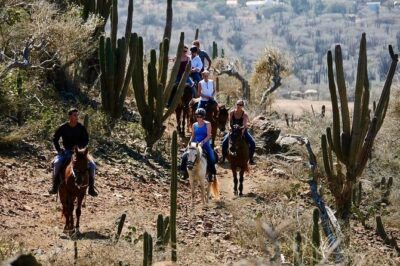
Horseback Ride Tour to Natural Pool in Arikok National Park
Read our review →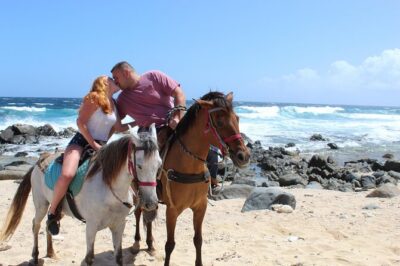
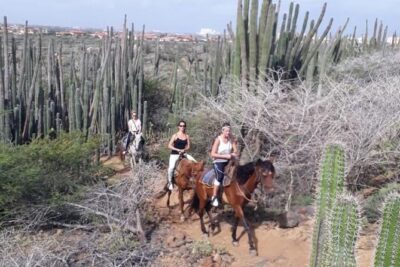
Aruba Countryside: Horseback Adventure to Urirama Cove
Read our review →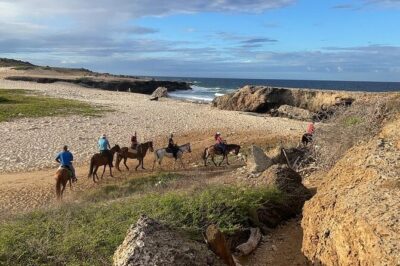
2-Hour Horseback Riding Tour to Little Natural Bridge in Aruba
Read our review →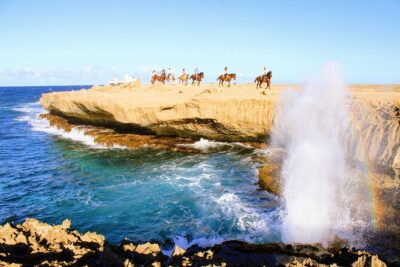
Aruba Horseback Riding Tour For Advanced Riders
Read our review →
More rides of this kind