
Review · CUSCO
Horseback Riding Plus Tour to Sacsayhuaman, Quenqo, Puka Pucara and Tambomachay
Ancient stones, mountain air, and a good horse. This half-day outing pairs four important Inca sites with a scenic ride near Cusco, giving you both archaeology and open-country views in one trip. I like the clear mix of culture and activity, plus the strong guiding, with Benny, Benni, Jenny, and Hogler all praised for explaining Inca history in an easy, engaging way. I also like that horses are matched to each rider’s confidence and that transport is handled by private car.
The main catch is simple: horseback riding lasts about one hour to one and a half hours, not most of the four-hour tour. You ride through the countryside and see some smaller ruins, but you do not ride directly into the main archaeological sites. The sites are visited by car and on foot, which protects the ancient ground but may surprise anyone expecting a full riding tour.
Key points to know before booking
- Four Inca sites in one half-day: Visit Sacsayhuaman, Q’enqo, Puka Pukara, and Tambomachay near Cusco.
- The ride is scenic, not a long trek: Plan on roughly one hour to one and a half hours in the saddle.
- Good for first-time riders: The horses are matched to experience, and the pace follows the least experienced rider.
- Guiding is a major strength: Benny, Benni, Jenny, and Hogler received especially warm praise for clear explanations.
- Budget for the entrance ticket: The Cusco Tourist Ticket is not included and has been described as about $20, or roughly 70 soles.
- Come prepared for high-altitude weather: Wear long pants, closed shoes, sunscreen, and a rain jacket if rain is possible.
A smart way to see Cusco’s nearby ruins
Cusco gives you an unusual choice. You can spend a half-day moving from ruin to ruin in a vehicle, or you can add a little fresh air and time on horseback. This experience takes the second route without pretending that horses can carry you through every major site.
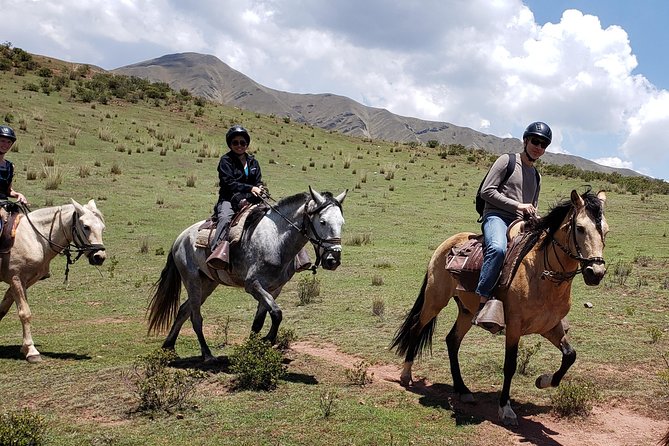
The tour lasts about four hours and combines private transport, guided visits, and a countryside ride from Vieja Estancia Ranch. The order can vary, but the main ingredients remain the same: four archaeological sites, a horse ride, a guide, a muleteer caring for the horses, and transport back to your hotel.
I like this format for a first or second day in Cusco because it covers several nearby sights without requiring a full-day commitment. You get an introduction to Inca architecture and religious customs, then a change of pace on the trail. For families with teenagers, couples, and curious first-time riders, that balance is the heart of the experience.
The group can reach a maximum of 15 people. That is not a private tour, but it is small enough to keep the activity manageable, especially when riders have different levels of confidence.
A few more horse rides around Cusco worth a look
- Cusco: 3-Hour Horse Riding Tour to the Temple of the Moon
★ 5.0 · 105 reviews - Cusco: Half-Day Horseback Riding at Devil’s Balcony
★ 4.9 · 89 reviews - Horse Riding Chacan Mountain And Temple Of The Moon
★ 5.0 · 78 reviews
Sacsayhuaman: the big opening view
Sacsayhuaman is usually the most dramatic of the four sites. Massive fitted stones form the famous zigzag walls, and the high position gives you broad views over Cusco and the surrounding mountains.
Your guide explains the role of the site, the methods behind the stonework, and the religious customs connected with the Inca world. This is where a good guide makes a real difference. The stones are impressive on their own, but the visit becomes much more useful when someone explains how the site relates to Cusco and the wider Inca capital.
Give yourself room to look closely. The scale can make it tempting to take a few photographs and rush on, but the stone joints and sweeping terraces reward a slower walk. At the same time, the stop is not excessively long, which helps keep the four-hour schedule moving.
Sacsayhuaman is visited on foot, not from horseback. That distinction matters. Horses are not taken into the archaeological areas because their hooves could damage the soil and historic remains.
Q’enqo and the meaning behind the stone
Q’enqo is smaller and more intimate than Sacsayhuaman. Its carved rock, passageways, and ceremonial features give your guide a chance to discuss ritual practices and the spiritual side of Inca culture.
This stop works best when you ask questions. The site can look less obvious than the great walls at Sacsayhuaman, so the explanation helps you understand what you are seeing. Guides such as Benni and Hogler were praised for answering questions clearly, even when the questions were not perfectly worded.
The ground can be uneven, so closed shoes with rubber soles are a sensible choice. You should also keep your hands free as much as possible. Jewelry and valuables are discouraged during the riding portion, and it is best not to bring anything you would worry about dropping or damaging.
Q’enqo may come before or after the horse ride, depending on the day’s arrangements. Either way, it adds a different layer to the outing. Sacsayhuaman shows power and construction on a grand scale. Q’enqo turns your attention toward ceremony and belief.
Puka Pukara, a smaller site with wide views
Puka Pukara is often described as a fortress or way station, and its position near the road gives it an important connection to movement around Cusco. The remaining walls are not as imposing as those at Sacsayhuaman, but the setting is open and the stop helps you understand how the sites worked together.
You will not spend a huge amount of time here. That is a benefit if you prefer a moving half-day, though people who want long, quiet archaeological visits may find the schedule brisk. Your guide fills in the context, pointing out features and explaining how the site fit into the Inca network.
The views are part of the appeal. You are high above the city, with mountains and open country around you. It is a good place to pause, take photographs, and notice how different this feels from central Cusco.
Same saddle, a different kind of ground:
- Horseback Tour in cusco to Temple of the Moon & Hidden temples
★ 5.0 · 54 reviews - Half day Horseback Riding tour around Sacsayhuaman park
★ 5.0 · 37 reviews - Cusco: Rainbow Mountain Horseback Riding Tour + lunch
★ 4.1 · 10 reviews - Rainbow mountain horseback riding tour + Buffet Lunch
★ 3.8 · 9 reviews
Tambomachay and its water channels
Tambomachay is known for its water features, channels, and carefully shaped stonework. The site gives the tour another change of subject, moving from defensive-looking walls and ceremonial rock to the Inca use of water in a sacred setting.
This is one of the stops where your guide’s explanation turns a compact group of ruins into a readable place. You learn about the site’s religious importance and the care given to water and stone.
Tambomachay is also close enough to the other sites to fit naturally into a half-day circuit. You visit on foot and then return to the vehicle. Like the other archaeological stops, it is not part of the riding trail.
What the horseback ride is really like
The riding section is the active center of the experience, but it is important to set your expectations correctly. Most accounts place it at around one hour, with some describing roughly one and a half hours. The rest of the tour is spent traveling between sites and walking through them.
The trail passes through open countryside, including fields and high mountain scenery. You may see smaller ruins along the way, but the ride is not a mounted tour of Sacsayhuaman, Q’enqo, Puka Pukara, and Tambomachay.
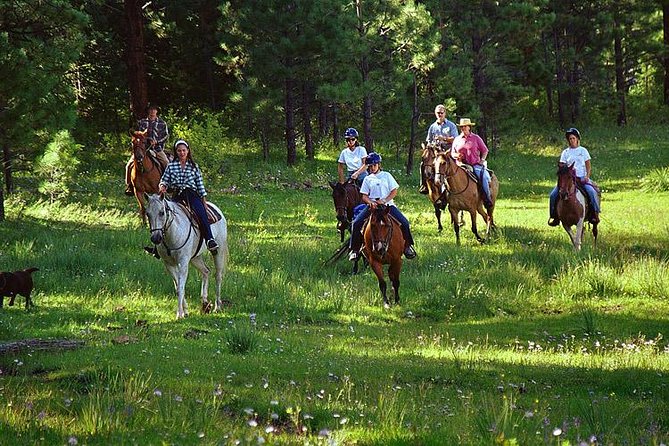
The horses are described as well cared for and calm. Peruvian horses are also noted for a comfortable gait, which matters if you are new to riding or unsure about spending time in the saddle. The ranch team matches horses to the rider’s experience and confidence.
That matching seems to be one of the tour’s strongest practical features. Beginners can stay at a steady pace and feel looked after, while experienced riders may be allowed to trot or ride faster when conditions permit. The group still follows the least experienced rider, so do not book this expecting a fast-paced riding expedition.
A muleteer accompanies the activity and looks after the horses. Safety helmets and saddles are supplied. The guide carries a first aid kit for emergencies, although the guide is not authorized to provide medication outside the limits of first aid.
How the guides shape the day
The guide can make or break a multi-stop cultural tour, and this experience has earned its strongest praise for the people leading it. Benny and Benni are especially noted for making complicated history easy to follow. Jenny and Hogler also received strong praise for their explanations and friendly manner.
You are not simply dropped at a ruin with a few facts and a meeting time. The guide explains architecture, customs, and the purpose of each place. Several accounts describe the explanations as clear enough for people with many questions, and that is valuable in Cusco, where unfamiliar names and similar-looking stonework can blur together.
The best approach is to ask questions as you go. Ask how the sites relate to one another, what a particular carved stone may have been used for, or how the Inca treated water and sacred spaces. The guides appear comfortable with questions, and the cultural side becomes stronger when you treat the outing as a conversation rather than a sightseeing conveyor belt.
English fluency was specifically praised in one account. Still, guide assignments can vary, so you should focus on the service pattern rather than expect one particular person every time.
Price, tickets, and what the $95 covers
The price is $95 per person. That includes a professional guide, private-car transport, saddle, helmet, muleteer support, and mineral or natural water.
The Cusco Tourist Ticket is extra. One account put the additional cost at about 70 soles, while the operator described archaeological entrance fees as around $20. Carry room in your budget for that separate charge. The tour provider explains that the sites are managed by the Peruvian government, so the entrance fee cannot simply be folded into the activity price.
Is $95 good value? I think it is reasonable if you want a guide, hotel transport, horses, and four archaeological stops in one compact outing. The riding alone would not justify the price for someone seeking a long equestrian trip. You are paying for the combination of services and the convenience of not arranging several separate visits.
One complaint concerned snacks not being provided, even though snacks are listed among the highlights. Water is included, but you should bring a small personal snack if you need food between stops. That is a modest precaution, especially if you are sensitive to altitude or tend to get hungry during active mornings.
What to wear and carry
Wear long pants, preferably jeans, and closed shoes with rubber soles or walking shoes. Shorts can leave your legs rubbing against the saddle, and open footwear is a poor match for both the trail and archaeological sites.
Bring a rain jacket if the forecast shows a meaningful chance of rain. Mountain weather can change quickly, and the riding section takes place outdoors. Sunscreen is important even on cloudy days. One couple specifically regretted not using it during an overcast outing.
Do not wear jewelry or bring valuables on the ride. Keep your clothing practical and comfortable rather than fashionable. A small bag with sunscreen, water, and a rain layer is more useful than anything delicate.
The maximum rider weight is 200 pounds, or 90 kilograms. The minimum age is six. Most people can take part, including those with little or no riding experience, but you should be honest about your comfort level so the team can assign a suitable horse.
Who will enjoy this tour most?
I would recommend it most strongly to families with older children or teenagers, couples who want more than ruins, and first-time riders who prefer a supported introduction. The combination of culture and movement gives the day variety, and the riding is gentle enough for basic experience.
It also suits a solo visitor who wants an organized way to reach several sites outside central Cusco. The private transport and guide remove much of the planning work.
Experienced riders can enjoy the horses and scenery, but should book with the right expectations. You may get a chance to trot or ride faster, but the route follows the least experienced person in the group. If you want hours in the saddle, a dedicated riding trip would be a better fit.
People who want long, detailed visits at every ruin may also find the schedule too tight. Four sites plus transport and riding make this an efficient introduction, not a slow archaeological study.
Booking, weather, and cancellation details
The experience is commonly booked about 28 days in advance, so reserving ahead is sensible if your Cusco dates are fixed. Confirmation is provided when you book, and the activity is near public transportation, although hotel pickup and return by private car are included.
The tour requires good weather. If poor weather causes cancellation, you can choose another date or receive a full refund. You can cancel for a full refund up to 24 hours before the start time. Cancellations or changes made inside 24 hours are not refunded or accepted.
FAQ
How long does the tour last?
The tour lasts approximately four hours.
How long is the horseback riding portion?
The riding portion is about one hour to one and a half hours, depending on the day’s schedule and conditions.
Which archaeological sites are included?
The tour visits Sacsayhuaman, Q’enqo, Puka Pukara, and Tambomachay.
Can I ride a horse directly to the archaeological sites?
No. The main archaeological sites are visited by vehicle and on foot. The horseback route passes through the surrounding countryside and may include smaller ruins, but horses are not taken into the main sites.
Is the Cusco Tourist Ticket included?
No. The Cusco Tourist Ticket is not included. The additional cost has been described as about $20, or roughly 70 soles.
Is the tour suitable for beginners?
Yes. The activity is suitable for people with little or no riding experience. Horses are matched to the rider’s experience and confidence, and the pace follows the least experienced rider.
What is the minimum age?
The minimum age is six years old.
What is the maximum rider weight?
The maximum weight is 200 pounds, or 90 kilograms.
What should I wear for the ride?
Wear long pants, preferably jeans, and closed shoes with rubber soles or walking shoes. Bring a rain jacket if rain is likely, and avoid jewelry and valuables.
Should you book this horseback tour?
Book it if you want a well-balanced half-day that combines Inca sites, clear cultural explanations, mountain views, and a manageable horseback ride. The strongest reasons are the guides, the careful horse matching, and the chance to see four important places without arranging separate transport.
Skip it if your main goal is a long ride or a full day on horseback. The riding is a highlight, but it is only part of the experience. Also budget separately for the archaeological ticket and bring your own snack, since food service may not be consistent.
For most visitors looking for an active introduction to Cusco’s nearby ruins, I think the mix works very well. You get history without spending the whole day inside a van, and you get a memorable ride without needing advanced equestrian skills.
Just added around Cusco
- Half day Horseback Riding tour around Sacsayhuaman park★ 5.0 · 37 reviews
- Temple of the Moon Horseback Riding Tour with Transfer★ 4.5 · 2 reviews
- Rainbow mountain horseback riding tour + Buffet Lunch★ 4.1 · 7 reviews
- Cusco: Rainbow Mountain Horseback Riding Tour + lunch★ 4.1 · 10 reviews
- Rainbow mountain horseback riding tour + Buffet Lunch★ 3.8 · 9 reviews
- FULL DAY| MOUNTAIN OF COLORS ON HORSEBACK★ 5.0 · 4 reviews
- Cusco: Devil’s Balcony Horseback Ride★ 5.0 · 2 reviews
- Cusco: Hidden Incan Temples Full-Day Horseback Riding Tour★ 5.0 · 2 reviews
Cusco Horseback Riding Tours, compared.
Cusco: 3-Hour Horse Riding Tour to the Temple of the Moon
Read our review →
Cusco: Half-Day Horseback Riding at Devil’s Balcony
Read our review →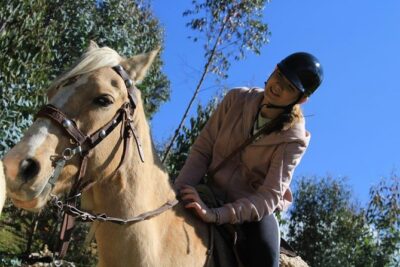
Horse Riding Chacan Mountain And Temple Of The Moon
Read our review →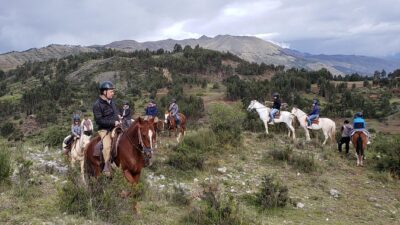
Horseback Tour in cusco to Temple of the Moon & Hidden temples
Read our review →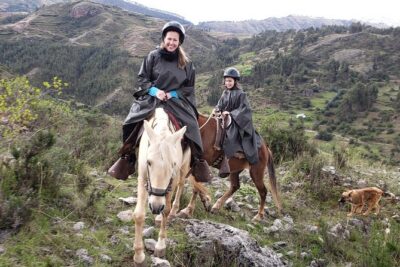
Half day Horseback Riding tour around Sacsayhuaman park
Read our review →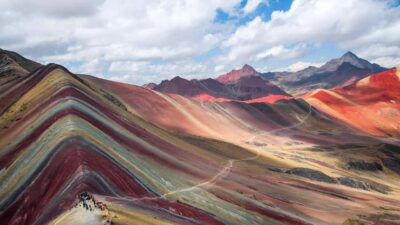
Cusco: Rainbow Mountain Horseback Riding Tour + lunch
Read our review →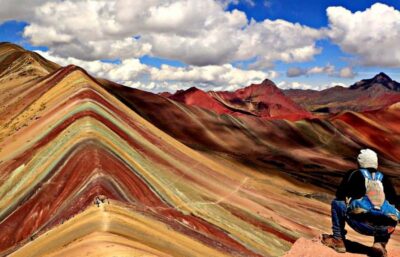
Rainbow mountain horseback riding tour + Buffet Lunch
Read our review →Rainbow mountain horseback riding tour + Buffet Lunch
Read our review →More rides of this kind