
Review · TASHKENT
Tashkent: 3-Day Horseback Riding Tour in Chimgan Mountains
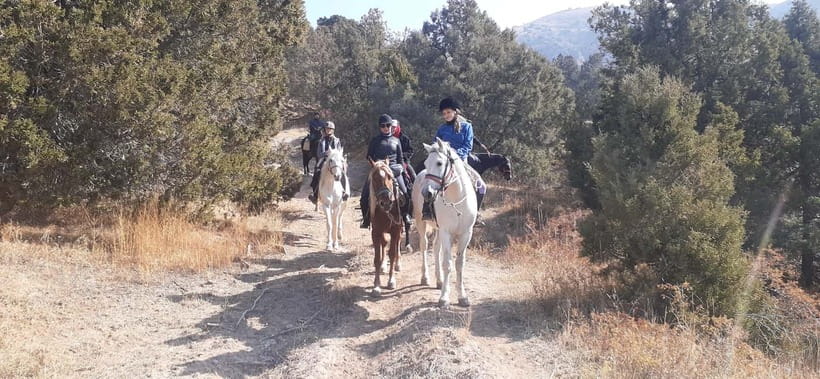
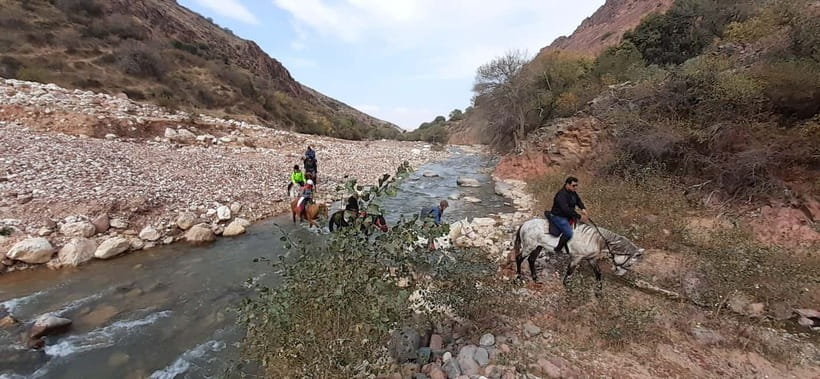
Mountains, rivers, and open skies await. This three-day ride from Tashkent takes you deep into the Chimgan Mountains, where you cross streams, climb old passes, camp beside rivers, and share meals prepared by a local cook. I especially like the chance to ride through alpine meadows and shepherds’ pastures, and the evenings around a campfire beneath the stars. I also like that the price includes transport, horses, camping equipment, a cook, and full board.
The main caution is that this is a real mountain trip, not a gentle trail ride. You may spend five to six hours in the saddle each day, and the organization may not always match the polished description. One booking found the final riding day much shorter than expected and camped in a town field because of weather.
Key things to know before you book
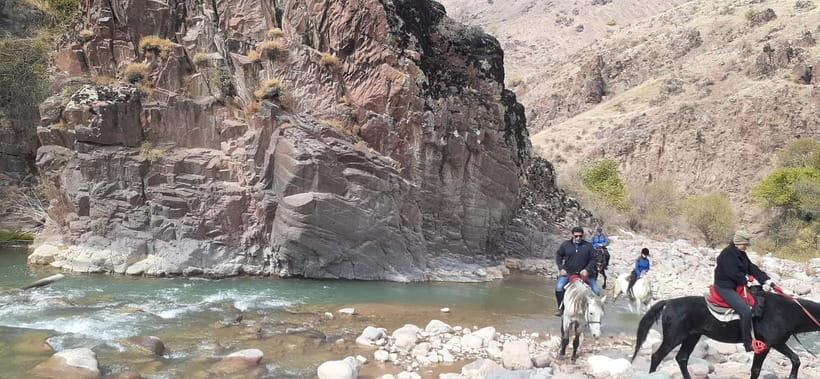
- River crossings are part of the adventure: You ride beside and across the Aksakata, Nurik Ata, Beldersai, and Galvaysai rivers, with some crossings by bridge.
- The riding is serious: Expect long days, steep ascents and descents, mountain passes, and changing weather.
- Camp life is simple: Tents, sleeping bags, sleeping rugs, cooking equipment, and a donkey for supplies are provided.
- The scenery changes constantly: You move from wooded valleys and marble gorges to broad meadows, red cliffs, and views over Charvak Lake.
- Local food is a major strength: The cook prepares full-board meals, including hot coffee, porridge, and dinners made at camp or with a local family.
- The group stays small: The maximum is 10 participants, with an English-speaking guide and horseman.
What the $430 price really includes
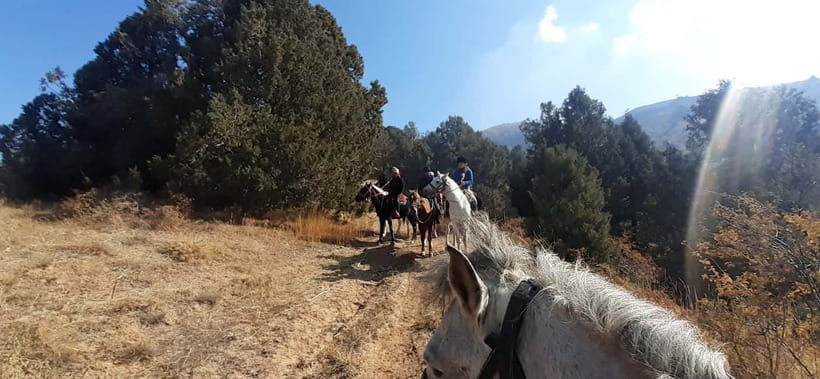
At $430 per person, this is not a cheap day ride. It is a three-day mountain expedition with a fair amount built into the fee. You get a van from Tashkent and back, an English-speaking guide, a horseman, horses, a donkey for carrying supplies, tents, sleeping bags, sleeping rugs, kitchen equipment, registration, and full-board meals.
That package matters in the Chimgan Mountains. You are not simply paying for time on a horse. Someone must move camp equipment, prepare food, find safe places to stop, manage the animals, and guide the group through valleys and passes. The inclusion of a cook is especially useful after several hours in the saddle.
The horses are arranged as four animals in total: two for the tourists and two for the horseman and guide. This wording suggests the horses are shared or assigned according to the group, so ask how the riding rotation works before departure if you are not comfortable spending a full day mounted.
Meals in the mountain portion are included, but meals in the city are not. Visa support and insurance are also excluded. You must bring your own clothes, footwear, personal mountain equipment, and first-aid supplies.
More Mountain and Valley Horse Rides in the world:
- Red Rock Canyon Sunset Horseback Ride and Barbeque Dinner
★ 5.0 · 1,305 reviews - West Maui Mountain Waterfall and Ocean Tour via Horseback
★ 5.0 · 845 reviews - 2-Hour Horseback Riding through Red Rock Canyon
★ 5.0 · 838 reviews
Leaving Tashkent for Aksai Valley
The tour begins with an early pickup in Tashkent. Up to three people can be collected in a Chevrolet Lacetti or similar sedan. Larger groups use a van such as a Hyundai Starex. Pickup is available from your hotel or another agreed location.
The first riding section begins near Aksai Valley. You pass the village and climb toward Aksakata Mountain, with the route opening into a high valley used by shepherds during the summer. Packs of horses, livestock, and seasonal pastures give this section a working character. You are seeing the mountains as a place where people still move animals and live with the seasons, not just as a backdrop for photographs.
After a short rest, the route continues toward Archali Pass. The approach to the marble belt is a good reminder that this is mountain riding rather than an easy ranch outing. The trail rises and falls, and your balance, legs, and confidence matter.
Lunch comes near the marble belt. After eating, you ride down toward the meeting point of the Aksaka Ata and Nurik Ata rivers. A wooden bridge carries you across before the route follows a valley known for its alpine plant life.
First night beside the river
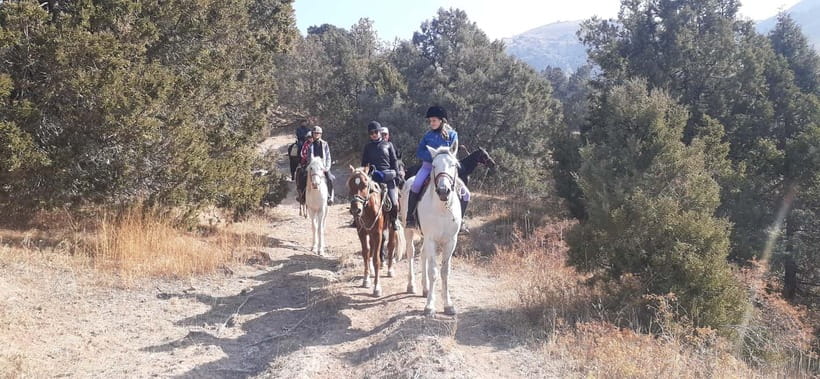
The first camp is set near the river. The plan is simple: help settle in, enjoy a fire, eat dinner, and watch the sky darken over the mountains.
This is one of the strongest parts of the experience. Camping beside running water and eating a hot meal after a long ride gives the trip a clear sense of place. The evening is not built around entertainment or a formal program. It is about the fire, the horses, the food, and the night sky.
You should also understand the limits of wild camping. Facilities are basic, and personal privacy may be limited. Bring the right attitude, along with warm clothes, a headlamp if you have one, and rain protection. The provided equipment covers the main camp needs, but it does not replace personal clothing and mountain gear.
Day two climbs toward Chet Kumbel Pass
Day two starts early with hiking porridge and hot coffee. You pack up the camp and begin a more demanding riding section, crossing rivers and handling a series of climbs and descents.
After several hours, the group reaches a shelter used by a mountain bee farmer. The horses rest here before the route continues uphill. This stop adds a human detail to the ride. You are not simply passing through empty terrain, but moving through an area where people work seasonally with bees, livestock, and mountain resources.
The route then climbs toward Chet Kumbel Pass. Lunch is planned near spring water and a tree described as being about 1,000 years old. The age of the tree gives this stop a sense of scale and continuity, especially after the long climb.
From the pass, you traverse Kumbel Mountain toward a ski slope. The route then rises through forest to a large rock before opening into a broad alpine meadow. This is the place where you may canter, conditions and riding ability permitting.
Do not assume that cantering is guaranteed. Mountain ground can be uneven, and the guide will need to decide what is safe for the group and the horses. If you are an inexperienced rider, you can still enjoy the setting without treating the faster section as a test.
More Three-Day Trips in the world:
- 3 Days Issyk Kul lake & Chon Kemin: Eagle show, horse riding
★ 5.0 · 33 reviews - 3 days horse back riding to Song-Kul lake whole year round
★ 5.0 · 21 reviews - Year-Round Adventure: 3 Days Horse Trek to Song Kul Lake
★ 5.0 · 16 reviews - 3-Day Private Horseback Riding and Hiking Tour in Kolsay
★ 5.0 · 14 reviews
Marble gorges, Beldersai Valley, and the second camp
The route descends to a marble gorge for another rest and meal. It then climbs toward Urta Kumbel before dropping quickly into Beldersai Valley.
This combination of climbs and descents is physically demanding. You will want gloves, sturdy hiking shoes for time off the horse, and comfortable clothing that does not chafe. Sunglasses and a hat are useful in the open sections, while rain gear and a change of clothes protect you when the weather turns.
After crossing the Beldersai River, the route continues through Yakka Archa and up toward Chet Kumbel. The second camp is set near the river. By this point, the attraction is less about checking off viewpoints and more about the rhythm of mountain travel: ride, stop, eat, rest the horses, and continue.
The schedule describes substantial riding, but mountain conditions can alter the day. Weather, trail conditions, horse welfare, and the group’s pace all matter. I would treat the listed timing as a guide rather than a promise.
Day three reaches Charvak Lake
After breakfast, you ride across meadowland before descending toward the Beldersai river bridge. The route then climbs toward Uchterak village.
Lunch near the village gives you a chance to see a more settled side of the region. You pass through the village, meet local people, and cross the Galvaysai River. This is one of the more appealing cultural parts of the trip because the experience moves beyond scenery and into daily life.
The climb continues to Akshuran Pass, followed by another area suitable for cantering. Later, you ride along a ridge with rolling red cliffs known as Kyzyljar. The color and shape of the cliffs should make this one of the most memorable riding sections.
After several hours, the route reaches a final high point described as the last peak. From here, you can see Charvak Lake and the surrounding mountains. The view provides a strong finish because it connects the remote valleys with the larger Tashkent mountain area you have been exploring.
From the high point, you walk down to Chorvak Oromgohi, where your driver meets you. The farewell to the horseman and his brother is part of the emotional close of the trip. You then return to Tashkent by vehicle.
The biggest practical issue: the schedule can shift
The written plan is ambitious. It includes five to six hours of riding per day, several passes, river crossings, alpine meadows, and multiple camps. Yet one booking reported riding for only about two and a half hours on the final day.
Weather was also reported to have changed the camping arrangement. Instead of camping at a planned mountain site, the group stayed in a field near town. That solution may be practical and safer, but it does not offer the same quiet mountain setting or sense of wild camping. It also created an awkward situation because hotels and toilets were only a short walk away.
I would ask the provider three questions before paying:
- Where will the group camp on each night if weather changes?
- How many hours of riding are expected for each day?
- What happens if the group includes complete beginners?
The organization has received both praise and criticism. The guides have been described as warm and highly experienced in the mountains, while communication about equipment and riding experience has not always been passed clearly from the booking stage to the field team.
That matters if you have never camped or ridden before. Confirm that your tent, sleeping bag, and riding experience are understood before you leave Tashkent.
Food, guides, and the human side of the trip
The local cook is one of the tour’s strongest features. Hot coffee and porridge at breakfast, full-board meals, camp dinners, and the chance to eat with a local family on the final day make the experience feel grounded in the region.
The dinners have received especially strong praise. After a long day on horseback, a home-cooked meal is more than a convenience. It is a major part of the trip’s comfort and connection to local life.
The English-speaking guide and horseman handle the route, horses, camps, and mountain conditions. The guide team is described as having many years of experience, which is reassuring on a route involving passes, rivers, and changing weather.
Still, do not confuse mountain experience with polished customer service. The communication problem about tents shows why you should repeat your needs directly. If you lack equipment or riding experience, say so clearly and ask for confirmation.
Who should book this horseback tour?
This trip suits you if you already enjoy long days outdoors and want a close look at rural mountain life. It is a good choice for riders who like basic camping, changing scenery, local cooking, and a route that feels physical rather than packaged.
It can also work for a capable beginner if the guide is aware of your experience and you are comfortable riding for several hours. The group is limited to 10, which should make personal attention easier than on a large coach-based excursion.
You should think twice if you have back, heart, respiratory, or mobility problems. The route includes long periods on horseback, steep ascents and descents, river crossings, and mountain passes. The operator specifically says the tour is not suitable for people with these conditions.
Pack a passport or identity card, sunglasses, a hat, comfortable clothes, gloves, hiking shoes, rain gear, spare clothes, and personal medication. You are responsible for your own insurance and personal first-aid kit.
Booking flexibility and group size
The tour offers free cancellation up to 24 hours before departure and allows you to reserve now and pay later. Starting times depend on availability, so confirm the departure details before arranging other plans in Tashkent.
The maximum group size is 10. That is small enough to keep the ride more personal, though the practical experience will still depend on how many people actually join and how evenly matched they are in fitness and riding ability.
Should you book the Chimgan horseback tour?
I would book this tour for the scenery, mountain riding, river valleys, camp cooking, and contact with village life. The strongest parts are genuinely distinctive: riding through shepherds’ summer pastures, stopping near a very old tree, cantering in an alpine meadow, and finishing with a view over Charvak Lake.
I would not book it if you need a tightly managed schedule, private facilities, or guaranteed riding times. The route can change with weather, and communication about equipment needs has not always been reliable.
At $430, the value is good if you use the full package: transport, horses, guide, horseman, cook, food, camp equipment, and three days in the mountains. Before committing, confirm your tent, riding level, daily hours, and backup camping plan. If those details are clear, this is a memorable and active way to see the Chimgan Mountains beyond the usual viewpoints.
FAQ
Where does the horseback riding tour begin?
The tour begins with pickup in Tashkent. You can wait at your hotel or another agreed location.
How long is the tour?
The experience lasts three days and includes two nights of camping in the mountains.
How many hours do you ride each day?
The tour involves approximately five to six hours of horseback riding each day, although weather and local conditions may change the schedule.
Is camping equipment included?
Yes. Tents, sleeping bags, sleeping rugs, and kitchen equipment are included.
Are meals included?
Full-board meals are included during the mountain portion of the tour. Meals in the city are not included.
Is an English-speaking guide provided?
Yes. The tour includes an English-speaking guide and a horseman.
What is the maximum group size?
The tour is limited to 10 participants.
What should I bring?
Bring a passport or identity card, sunglasses, a hat, comfortable clothing, spare clothes, hiking shoes, rain gear, gloves, and personal medication.
Is the tour suitable for people with mobility or health problems?
The tour is not suitable for people with back problems, mobility impairments, heart problems, or respiratory issues. It includes long periods of horseback riding, mountain passes, ascents, descents, and camping near rivers and meadows.
Just added around the world
- Zanzibar: Horseback Riding and Turtle Swimming Tour★ 3.3 · 4 reviews
- Zanzibar: Swimming With Horse and Clear Kayaking Tour★ 3.9 · 5 reviews
- Zakynthos: Yotomu Horse Riding and Swimming Experience★ 4.7 · 80 reviews
- Zanzibar: Horseback Riding and Turtle Aquarium Visit★ 4.3 · 4 reviews
- Zanzibar: Horse Riding and Kayaking with Video and Photos★ 4.9 · 10 reviews
- Waco: Sunset Horseback Ride★ 4.8 · 10 reviews
- Westport: Beach and Countryside Guided Horse Ride★ 4.8 · 6 reviews
- Xi’an: Half-Day Terracotta Warriors & Horses Museum Tour★ 4.4 · 7 reviews
Mountain and Valley Horse Rides, compared.
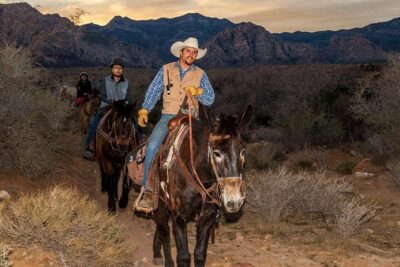
Red Rock Canyon Sunset Horseback Ride and Barbeque Dinner
Read our review →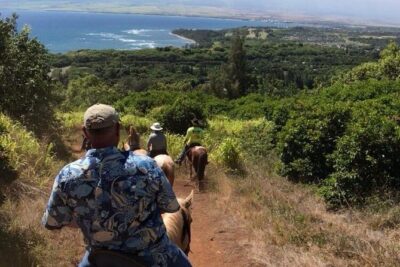
West Maui Mountain Waterfall and Ocean Tour via Horseback
Read our review →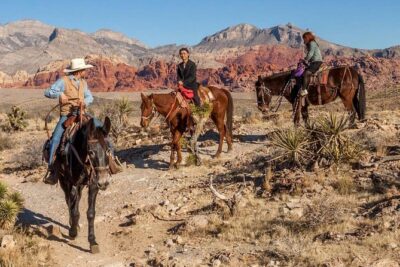
2-Hour Horseback Riding through Red Rock Canyon
Read our review →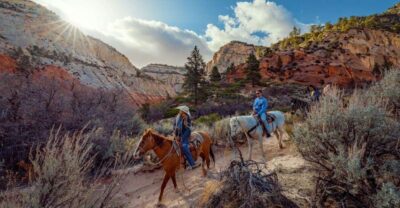
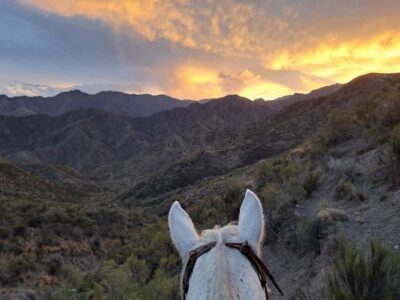
Mendoza: Sunset Horse Back Riding in the Mountains and BBQ
Read our review →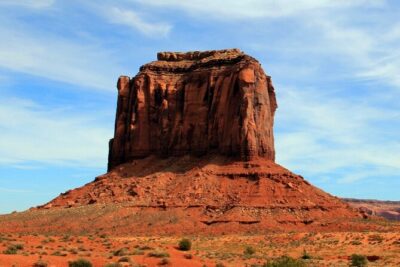
Orderville: East Zion Park White Mountain Horseback Tour
Read our review →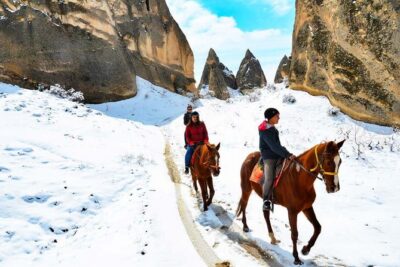
Cappadocia Sunset Horse Riding through the Valleys and Fairy Chimneys
Read our review →More rides of this kind