
Review · LUXOR
Traditional Egyptian Breakfast at the AlHabib Arabian Horse Farm
Fresh food tastes better under mango trees. This relaxed West Bank outing combines a traditional Egyptian breakfast with a visit to a working organic farm, making it a welcome change after Luxor’s temples and tombs. I like the quiet setting beside the orchard, and I like that you can meet animals rather than simply look at them from a distance.
The farm has dozens of pure-breed Arabian horses, along with goats, sheep, cows, chickens, ducks, bees, and a camel. Guides such as Abdo, Omar, Bakr, and Ramadan have been praised for their warm welcome and helpful explanations. The main point to consider is that the current tour details say horse riding is not included, even though some older comments describe riding, so you should confirm this before booking if it matters to you.
Key points at a glance
- Breakfast beneath mango trees: Eat traditional Egyptian dishes in a shaded kiosk overlooking alfalfa fields and the orchard.
- Fresh farm produce: Depending on the season, you may taste mangoes, oranges, lemons, and honey from the farm’s own beehives.
- Dozens of Arabian horses: See horses ranging from young foals to adult stallions, plus goats, sheep, cows, birds, bees, and a camel.
- A large working farm: The mango plantation covers about 30 hectares and includes 25 different mango varieties.
- Easy West Bank access: Pickup is offered from anywhere inside Luxor in an air-conditioned vehicle.
- A calm break from sightseeing: The roughly two-hour visit is private, relaxed, and especially suited to families and animal lovers.
Why this farm visit works so well in Luxor
Luxor can fill your head quickly. Tomb paintings, temple columns, boat rides, and early starts all compete for your attention. This farm visit gives you a slower morning with food, shade, open fields, and ordinary rural life.
That change of pace is the real value. You are not simply adding another monument to a busy schedule. You are seeing how land is used on the West Bank, where crops, livestock, fruit trees, and horses share the same broad property.
I particularly like the setting. Breakfast is served beneath a kiosk and tree canopy overlooking alfalfa fields and mango trees. The shade matters in Luxor, especially as the day warms, and the orchard gives you somewhere pleasant to walk instead of leaving you exposed in the sun.
The experience is also private. Only your group participates, so you are not being moved through the farm in a large crowd. That should make it easier to pause for photographs, ask about the animals, or spend extra time in the orchard, although the exact pace can depend on your group and host.
More Ranch and Farm Horse Rides in Egypt:
- Half-Day Thoroughbred Horse Farm Tour in Kentucky
★ 5.0 · 1,924 reviews - 5 tours in 1 (Eco Farm/Horseback/City Tour/Buggy/Zipline)
★ 4.5 · 1,443 reviews - Unique Horse Farm Tours with Insider Access to Private Farms
★ 5.0 · 1,192 reviews
Pickup from Luxor and the West Bank crossing
Your morning begins with pickup from your hotel or another location inside Luxor. Transport is provided in an air-conditioned vehicle, and the route crosses the river by bridge before reaching the farm on the West Bank.
The transfer is useful because you do not need to arrange a separate taxi or work out the farm’s location yourself. It also keeps the visit simple if you are staying on the East Bank, where many Luxor hotels are located.
The tour is scheduled between 8:00 and 10:00 in the morning and lasts about two hours. That timing makes sense. You get cooler conditions than later in the day, and the morning light is pleasant for photographs of the horses, trees, and fields.
You should allow some flexibility around the stated duration. A farm visit is not a tightly timed museum tour, and time spent eating, walking, and meeting the animals can vary. If you are booking another activity immediately afterward, leave a sensible gap.
Breakfast under the mango canopy
The meal is the heart of the visit. You sit in a shaded area beside the orchard and alfalfa fields, with the farm around you rather than a restaurant dining room.
The breakfast is described as a selection of traditional Egyptian dishes, served with fresh bread and farm produce. The exact menu can change, so you should not expect a fixed restaurant-style list. That is part of the appeal, but it also means anyone with dietary restrictions should ask ahead of time.
Honey from the farm’s own beehives is one of the most memorable details. You may taste more than one type, depending on what is available, and the honey gives the meal a direct connection to the place. Fresh fruit can include mangoes, oranges, and lemons, with availability depending on the season.
Fresh lemon juice has also been served during visits, and you may be offered fruit picked from the trees. Mangoes are a particular highlight when they are ripe. The pleasure here is simple: sit in the shade, eat food prepared for the farm visit, and taste produce grown a few steps away.
I would not book this experience expecting a formal culinary lesson. The focus is hospitality and local food, not a chef-led explanation of every dish. Still, if you want an ordinary Egyptian breakfast in a rural setting, this offers more character than another hotel buffet.
Meeting the Arabian horses
After breakfast, you can walk around the farm and see the horses. The property has dozens of pure-breed Arabian horses, including young animals and stallions. For many people, this will be the main reason to book.
The horse area provides a close look at the farm’s breeding work. You may hear explanations about the animals and their care, and you can see how horses fit into the life of the property. The young horses are likely to attract children, while adults may appreciate the chance to see Arabian horses at close range without visiting a formal show.
The current details clearly state that horse riding is not included and that there is no horse-riding possibility. Some supplied comments refer to short rides, but those accounts may reflect an earlier arrangement or a different visit. I would treat riding as unavailable unless the farm confirms it directly before your visit.
That distinction matters. If you want a riding excursion, this is not the right tour to book on the information provided. If you simply want to see beautiful horses, take photographs, and learn about pure-bred Arabian breeding, the visit still has plenty to offer.
Please follow the host’s instructions around all animals. The farm allows close contact, but animals are not props. Calm behavior is especially important around horses, young goats, and the camel.
More Farm Visits in Egypt:
- Gypsy Gold Horse Farm Tour
★ 5.0 · 438 reviews - Lexington: Thoroughbred Horse Farm Tour and Scenic Bluegrass
★ 4.9 · 363 reviews - Golden Circle, Fridheimar Farm & Horses Small Group Tour from Reykjavik
★ 5.0 · 309 reviews - Bourbon Distillery & Horse Farm Tours
★ 5.0 · 156 reviews
Goats, sheep, bees, and the farmyard
The farm is not only about horses. You can also meet cows, sheep, goats, chickens, ducks, bees, and a camel.
The smaller animals make this a strong choice for families. Children can see farm life at close range, and the visit gives them something active to notice after long hours among ancient stones. The young goats have been a favorite part of the experience, and the chance to watch or feed animals may be offered by the host.
The bees add another useful detail. You can see the hives and connect them with the honey served at breakfast. That small link between the farm’s work and your meal makes the visit feel genuine rather than decorative.
You should keep your expectations practical. This is a working farm, not a polished animal park. Paths may be rustic, the ground may be uneven, and the experience is centered on real agricultural life. Those who enjoy a simple setting will find that appealing. Anyone looking for a highly structured attraction may find it too informal.
Walking through 30 hectares of mango trees
The orchard gives the visit its best sense of space. The farm covers about 30 hectares and includes 25 different mango varieties planted across the property.
You will not necessarily walk through every part of such a large farm during a two-hour visit. Instead, expect a guided wander through selected areas, with time to see the trees, fields, animals, and other crops. The exact route may depend on the season, the heat, and what is happening on the farm that morning.
The orchard is especially valuable when the sun is strong. Mango branches provide shade, and the green area offers a cool pause between the breakfast shelter and the animal areas. You may also see lemon and orange trees, as well as dates, depending on the route and the season.
Fruit availability is seasonal. Mangoes are not guaranteed year-round, and the same applies to oranges and lemons. If you visit when fruit is ready, you may be invited to pick and taste it directly from the trees. That is a memorable part of the experience, but it should be understood as a seasonal possibility rather than a guaranteed menu item.
Bring a hat, water, and sun protection even though shade is available. The farm is spacious, and the morning sun can still be strong.
What the guides add to the visit
The hosts are an important part of the experience. Abdo, Omar, Bakr, and Ramadan are among the names associated with visits, and they have been praised for being welcoming, friendly, and attentive.
You may receive explanations about Arabian horse breeding, goats, sheep, crops, mango varieties, and honey production. The amount of guiding can vary, but the experience is not simply a drop-off followed by breakfast. A host accompanies the visit and helps you understand what you are seeing.
One useful expectation comes from the nature of the activity: this is a relaxed farm visit, not a nonstop commentary tour. You may have stretches of quiet while eating or walking. That suits me because the setting does much of the work, but you should ask questions if you want more detail.
The farm’s hospitality seems to be a major strength. You may be offered extra fruit or encouraged to spend time with the animals without being hurried. Tips are not included, so you should budget for a gratuity if the service is helpful.
Is $30 good value?
At $30 per person, the price is reasonable if you value the combination of transport, food, private access, and a rural setting.
You are paying for more than breakfast. The price includes pickup anywhere inside Luxor, an air-conditioned vehicle, entrance costs and taxes, the meal, time with the animals, and a walk around the orchards. For a private two-hour activity, that is a fair package.
The value is strongest for families, couples, and people who want a break from temple sightseeing. You also avoid the cost and hassle of arranging separate transport to the West Bank.
It is less compelling if your main goal is horse riding. Riding is not part of the current offering, and the attraction depends on your interest in food, animals, crops, and a quiet farm setting. I would not compare it directly with a riding excursion because it is meant to be a different kind of morning.
Who should book this experience?
I would recommend it to families with children, animal lovers, photographers, and anyone who feels ready for something slower after visiting Luxor’s major sites.
It is also a good choice if you want to see a working farm rather than another historic structure. The visit shows a more everyday side of the West Bank, with fruit trees, alfalfa, beehives, livestock, and horse breeding.
Older visitors and anyone who prefers a gentle pace may also appreciate the shaded breakfast area and private format. You can enjoy the property without the pressure of a large group schedule.
I would be more cautious if you need a tightly timed itinerary, a polished attraction, or a guaranteed horse ride. The farm is rustic and informal. That is its strength for some people and its limitation for others.
Practical details before you book
Pickup is available from anywhere inside Luxor, and the experience operates daily from 8:00 to 10:00. The approximate duration is two hours, and a mobile ticket is accepted.
Confirmation is sent within 48 hours of booking, subject to availability. Since the experience requires suitable weather and a minimum number of participants, poor conditions or low demand can lead to a new date or a full refund.
You can cancel for a full refund if you do so at least 24 hours before the start time. Changes or cancellations made later are not accepted for a refund.
Service animals are allowed, and most people can participate. If you have mobility concerns, food restrictions, or a strong need for specific animal activities, contact the provider before booking so you can confirm that the informal farm setting suits you.
Should you book the AlHabib farm visit?
Book it if you want a friendly, low-key morning built around Egyptian food, farm animals, fresh fruit, and shade. The Arabian horses, honey, mango orchard, and private pickup give the experience more substance than a simple meal stop.
Skip it if you are searching for horse riding or a formal agricultural tour. The current details do not include riding, and the visit works best when you are happy to slow down and enjoy whatever the farm offers that morning.
For most people, this is a worthwhile way to see another side of Luxor. It gives you food that feels connected to the land, close contact with animals, and a peaceful pause between the city’s major sights.
FAQ
Where is the AlHabib Arabian Horse Farm experience located?
The farm is on Luxor’s West Bank. Pickup is available from anywhere inside Luxor, followed by a crossing of the river by bridge.
How long does the experience last?
The visit lasts approximately two hours.
What time does the experience operate?
It operates Monday through Sunday from 8:00 AM to 10:00 AM.
Is pickup included?
Yes. Pickup from anywhere inside Luxor is included, along with transport in an air-conditioned vehicle.
What food is included?
A traditional Egyptian breakfast is included. The meal may include fresh bread, farm honey, and seasonal fruit such as mangoes, oranges, or lemons.
Can I see Arabian horses?
Yes. The farm has dozens of pure-breed Arabian horses, ranging from babies to stallions.
Is horse riding included?
No. The current tour details state that horse riding is not available as part of this experience.
Is this a private activity?
Yes. Only your group participates in the private tour or activity.
Can I cancel for a refund?
Yes, if you cancel at least 24 hours before the experience start time. Cancellations made less than 24 hours in advance are not refunded. Poor weather or failure to reach the minimum number of participants may result in a different date or a full refund.
Just added around Egypt
- Sharm El-Sheikh: 2-Hour Horse Ride Along Beach & Desert Trails★ 5.0 · 3 reviews
- Horse Riding One Hour at Desert With Transfer – Sharm El Sheikh★ 4.5 · 15 reviews
- 1 Hour Turkish Bath & 1 Hour Horseback Riding – Sharm El Sheikh★ 4.5 · 3 reviews
- One Hour Horse or Camel Riding with Transfer- Sharm El-Sheikh★ 4.5 · 20 reviews
- One Hour Horseback Riding Trip with Transfer – Sharm El Sheikh★ 4.0 · 4 reviews
- ATV horse stargazing★ 5.0 · 26 reviews
- Horse riding in Sharm el sheikh desert★ 4.0 · 4 reviews
- 1 Hour Guided Horse Riding Activity in Sharm El Sheikh★ 5.0 · 4 reviews
Ranch and Farm Horse Rides, compared.
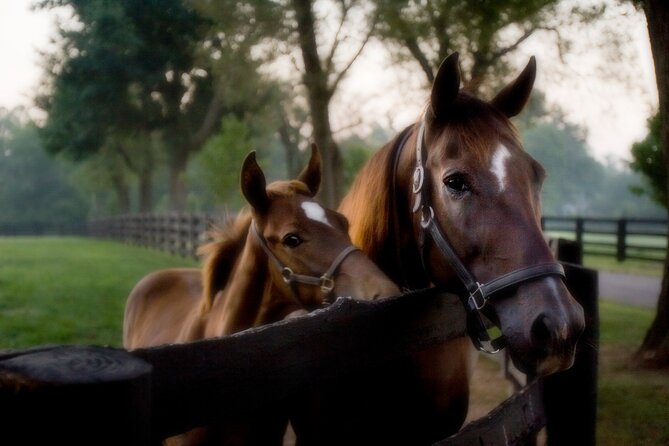
Half-Day Thoroughbred Horse Farm Tour in Kentucky
Read our review →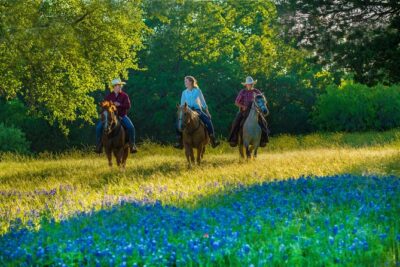
Unique Horse Farm Tours with Insider Access to Private Farms
Read our review →
Maui Horseback Adventure at Circle M Ranch With Real Cowboys
Read our review →Horseback Riding on Scenic Texas Ranch near Waco
Read our review →

Lexington: Thoroughbred Horse Farm Tour and Scenic Bluegrass
Read our review →
Golden Circle, Fridheimar Farm & Horses Small Group Tour from Reykjavik
Read our review →More rides of this kind