
Review · MALAGA
Visita Entre Toros y Caballos
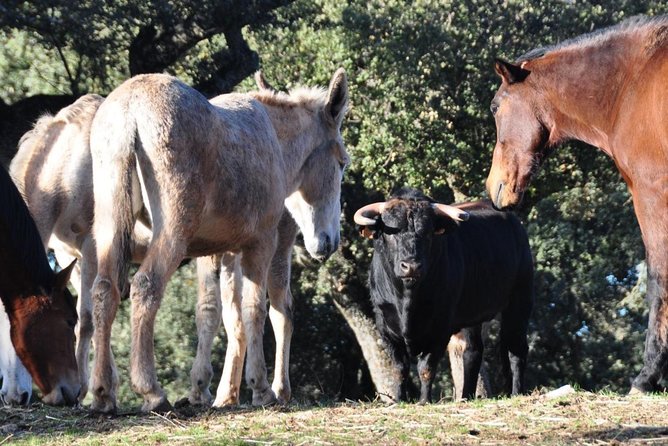
The bulls are only half the story. At Reservatauro Ronda, I like the chance to see fighting bulls and Andalusian horses living across an oak-filled working ranch, then meet the animals more closely in the stables and pens. I also like the small-group feel, with no more than 15 people. The main drawback is that the English option may sometimes rely on an audio guide or printed material rather than a live English-speaking guide.
This is a good pick if you want more than a quick photo stop near Ronda. You will see the testing bullring, the bullfighter’s practice ring, breeding areas, pastures, and centuries-old holm oaks within a UNESCO Biosphere Reserve. The subject is bullfighting, so you should be comfortable hearing about a traditional practice that remains controversial.
Key points to know before booking
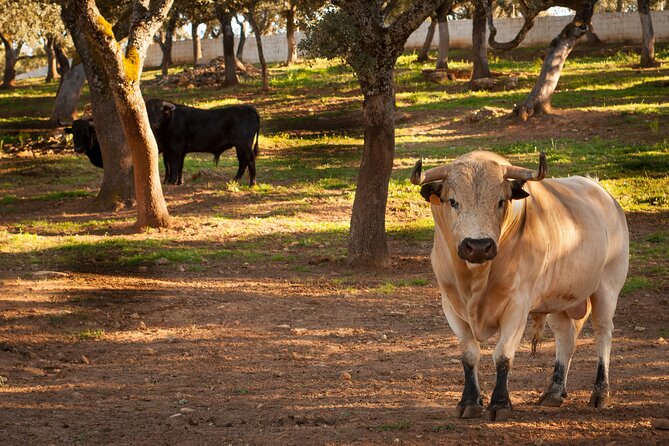
- A working ranch, not a staged animal show: Bulls, cows, and horses are raised across a large private property, with several areas used for breeding, training, and development.
- The ranch tour goes beyond the buildings: A truck towing a passenger trailer carries you through the pastureland to see animals at different stages of their lives.
- You can handle the bullfighting tools: At the practice ring, you may try a pass with a capote, the pink cape, and a muleta, the smaller red cape.
- Guide language can affect the visit: English is offered, but some departures have included an audio guide and printed material instead of a live English-speaking guide.
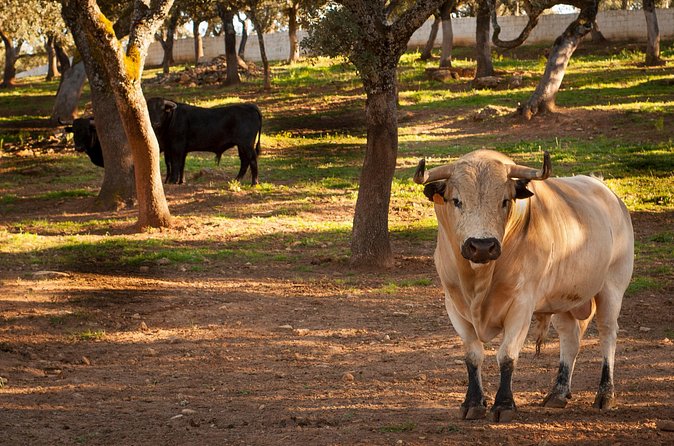
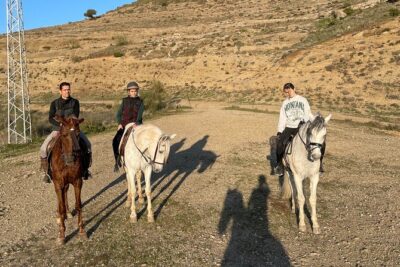
- The setting is part of the appeal: Holm oaks, open pasture, horses, bulls, and mountain views make this feel like a visit to rural Andalusia.
- Plan for possible extra time: The advertised duration is about 1 hour 10 minutes, but some visits have lasted close to two and a half hours.
What Reservatauro Ronda actually gives you
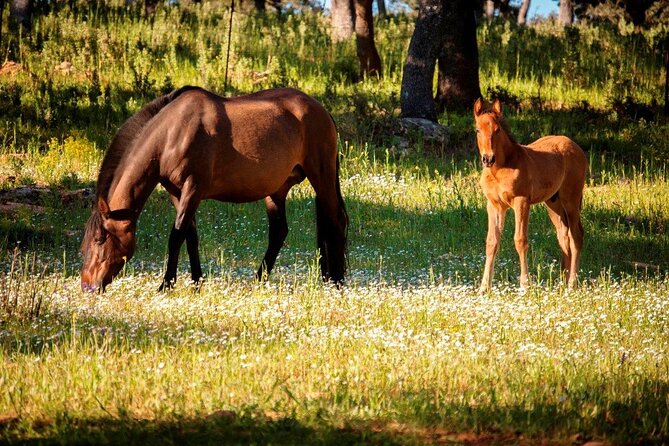
Reservatauro Ronda is a working ranch near Ronda devoted to the breeding and raising of fighting bulls and Andalusian horses. You are not simply looking at animals behind a fence. The visit explains how the ranch uses its buildings, testing ring, pens, stables, pasture sections, and training areas.
That distinction matters. A bullfighting-themed attraction can easily become a quick photo opportunity with a few props. Here, the focus is on the full process of ranch life: breeding, selection, care, training, and the different stages of development. You get a clearer idea of how the animals fit into the operation.
The setting also carries much of the appeal. The ranch lies among old holm oaks in a Mediterranean pastureland within a UNESCO Biosphere Reserve. I would not book this only for the bullfighting subject. I would book it for the mix of animals, countryside, traditional ranch buildings, and practical explanations.
The scheduled start time is 12:00 pm. The group is limited to 15 people, and at least two people are required for a booking. That small maximum should make it easier to ask questions, although the actual feel of the visit will depend on the guide and the language arrangement that day.
A few more horse rides around Spain worth a look
- El Salobre: Horse Riding Adventure with Transfer Options
★ 4.5 · 2,034 reviews - Mallorca: Horseback Riding Experience with Food Options
★ 4.6 · 1,424 reviews - Tenerife: Horseback Ride with Instructor
★ 4.4 · 836 reviews
Starting with the testing bullring and ranch buildings
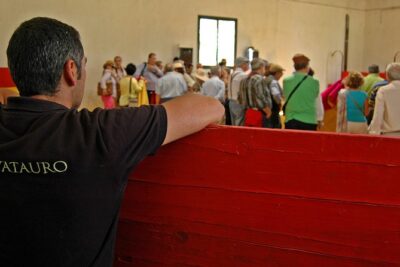
The visit begins around the ranch facilities, including the arena, stables, and working areas. The testing bullring is especially important because it is where cattle selection takes place. This gives the arena a practical role rather than making it just a decorative reminder of Spanish tradition.
Your guide explains how the ranch prepares and evaluates the bulls. You will also hear about the property’s history and how the animals are handled. The exact guide varies. Past visits have been led by people named Frida, Frieda, Desiree, Paloma, Paqui, Lara, and Isabelle, with some guides offering more than one language.
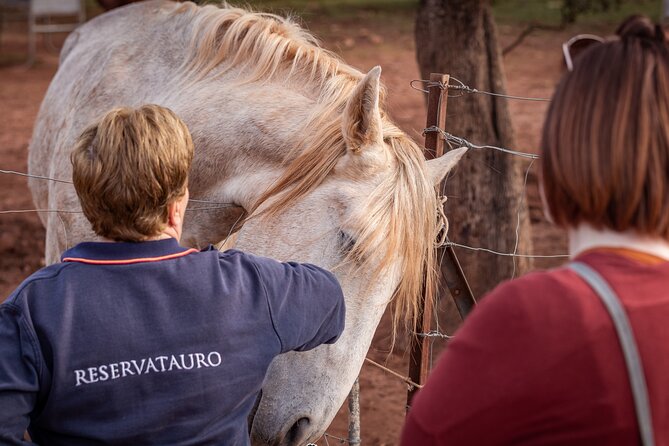
The stables are a highlight for many people, particularly if you are more interested in horses than bullfighting. The Andalusian horses are one of the ranch’s central attractions, and the visit lets you see them at close range rather than only from the pasture trailer.
This first section is also where you can ask the questions that make the rest of the visit easier to understand. Ask about breeding, selection, daily care, and the role of the horses. Guides such as Desiree, Frida, and Isabelle have been praised for taking time with questions and explaining the work with real enthusiasm.
Seeing the ranch from the passenger trailer
After the buildings and arena, you head through the property in what has been described as a truck towing a passenger trailer. Do not picture a polished sightseeing train. It is a simple ranch transport, but it lets you cover much more ground than you could on foot.
The property covers about 200 hectares, also described in one account as roughly 500 acres. From the trailer, you move through sections used for breeding, fighting bulls, and other stages of animal development. The guide points out which animals are in each area and explains what they are used for.
This is where the setting becomes more than background scenery. You may see bulls and horses roaming in open pasture beneath the holm oaks. The animals are not all gathered in one display area, so the distance and visibility can vary. That is part of the reality of a working ranch, but it also means you should not expect a guaranteed close-up encounter with every animal.
The trailer ride is the most uneven part of the experience for English speakers. One English booking included an audio guide and reading material while a French-speaking group had its own live guide. The passengers who could not follow the French explanation found the ride quiet and less interesting than it could have been.
I would confirm the language setup when you arrive, especially if the subject is new to you. English is offered, but that does not always mean every part of the visit will have a live English-speaking guide. If you receive an audio guide, use the printed brochure to follow the sections of the ranch and keep questions for the guide when the groups come back together.
Meeting the horses and learning about bull development
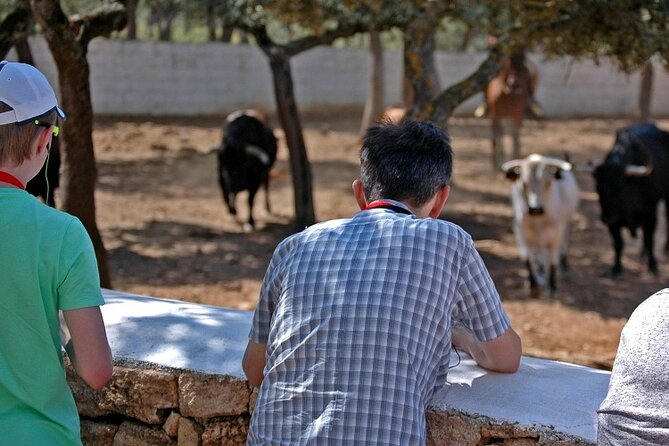
The ranch shows animals at different points in their development, which gives the tour more substance than a standard farm visit. You learn how the bulls are raised, which areas are used for breeding, and how the operation prepares animals connected with bullfighting.
The horses add a different mood. Their beauty and calm presence have earned especially warm praise, and the stable visit lets you see the care given to them. If you are visiting with children, the horses may be the most immediate draw. Younger children may not follow every explanation about cattle selection, but they can still enjoy seeing the animals and riding through the open property.
The animal-care message is clear throughout the visit. The ranch presents its bulls, cows, and horses as well cared for and raised in open conditions. It is fair to listen closely and form your own view, especially if you have concerns about bullfighting. The tour explains the ranch’s methods and traditions, but it is not designed as a debate about animal ethics.
That balance is important. You can learn how the system works without treating the subject as simple or uncontroversial. I find the visit most useful when you treat it as a chance to understand one part of Andalusian rural culture, not as an instruction to approve of every tradition connected with it.
Same saddle, a different kind of ground:
- Montserrat Monastery & Horse Riding Experience from Barcelona
★ 5.0 · 678 reviews - Almeria: Horse Riding Tour Through the Tabernas Desert
★ 4.9 · 406 reviews - Mallorca: Horseback Riding Excursion and Wine Tasting
★ 4.8 · 383 reviews - The Best Horse Riding Experience in Gran Canaria (2 hours)
★ 4.5 · 349 reviews
Trying the capote and muleta in the practice ring
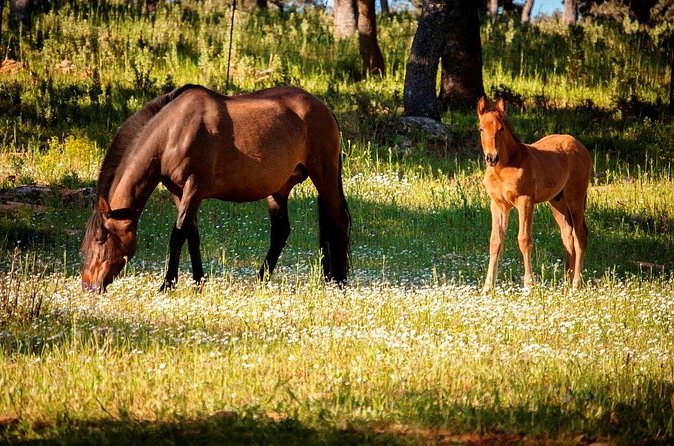
The practice ring is where the visit becomes more hands-on. This is the place where a bullfighter trains daily, and the guide introduces the tools of the trade. You can try a pass or two with the capote, the pink cape, and the muleta, the red cape used in bullfighting.
This activity helps you understand the timing and movement involved. It also gives the visit a lighter, more memorable moment after the explanations about breeding and ranch work. You will not be watching a bullfight, and the information provided does not promise a live animal demonstration.
That last point is worth making clear. If you expect a show, a video, or an athletic demonstration, you may be disappointed. One visit felt too spare because the arena was empty and there was no demonstration or welcome drink. The appeal here is the access to the place and the explanations, not a staged performance.
For families, trying the capote and muleta can be a good way to hold attention. For adults, it offers a practical connection to the techniques you have just heard about. It is brief, but it helps turn a distant tradition into something you can physically understand.
Finishing with mountain views and a quieter pace
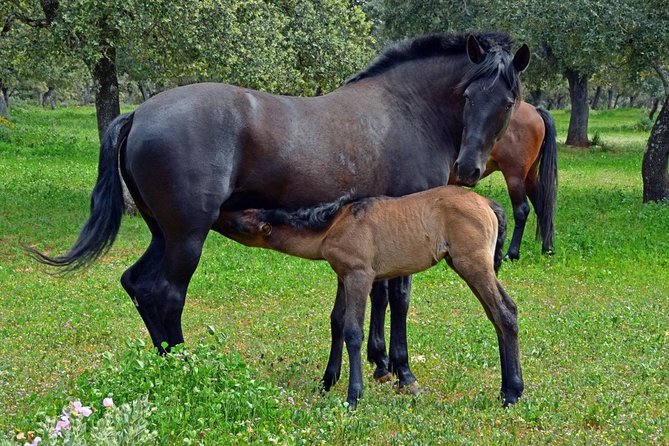
The visit ends with time to take in the ranch and its mountain setting. The terrace provides a place to pause after the drive around the property and the walking sections. The views, old trees, horses, and open pasture give the ending a calmer feel than the arena portion.
A mountain-view terrace is useful because this visit is not only about information. Rural Andalusia is experienced through space, silence, weather, animals, and distance. You get a different sense of the region here than you do in Ronda’s streets or at a busy viewpoint.
The basic visit is advertised at about 1 hour 10 minutes, but you should allow flexibility. Some departures have lasted around two and a half hours, likely because of extended explanations, questions, and time at the different ranch areas. I would avoid scheduling a tight lunch reservation or another timed attraction immediately afterward.
The longer version may be a bonus if you enjoy slow, detailed visits. It may feel frustrating if you booked this as a short stop between other plans. Ask about the expected duration at the start so you know how much time you have.
How the $36.16 price compares with the experience
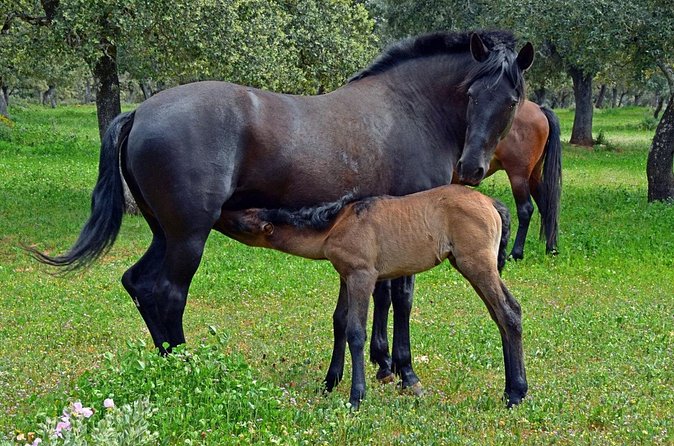
At $36.16 per person, the tour is not the cheapest way to see animals near Ronda. Its value comes from access to a functioning ranch, a guided explanation of bull breeding, the stable and arena visits, the ride through the property, and the chance to handle the capes.
I think the price is reasonable if you appreciate context and have a real interest in horses, cattle, farming, or Spanish traditions. You are paying for a guided visit to a private working property, not just for entry to an open field.
The value is weaker if you mainly want a polished attraction with constant action. There may be no show, no video, and no included drink. The animals may be spread across the property, and the English commentary may be audio-based on some departures.
The high overall rating and 93 percent recommendation reflect the strong match between the ranch and the right kind of visitor. I would not use those numbers as a guarantee of a perfect outing. Your experience will depend on the language arrangement, guide, weather, animal visibility, and how much you enjoy listening to detailed explanations.
Language, timing, and practical planning
English is offered, and guides have also led visits in Spanish, French, and German. Names associated with highly praised visits include Desiree, Frida, Frieda, Paloma, Lara, Paqui, and Isabelle. Guide assignments can change, so do not book solely because you hope for one particular person.
The mobile ticket is convenient, and confirmation is normally provided at booking. If you book within four hours of the start time, confirmation may arrive later and depends on availability. The meeting time is 12:00 pm at Reservatauro Ronda.
Most people can take part, and service animals are allowed. A minimum of two people is required to book, while the maximum group size is 15. These details make it suitable for couples, families, and small groups, but not for a solo booking unless you join an existing arrangement.
Free cancellation is available up to 24 hours before the start time for a full refund. Cancellations or changes made less than 24 hours before the start are not refunded or accepted. The activity can also be canceled if the minimum number is not reached, in which case you are offered another date or experience, or a full refund.
Who will enjoy Reservatauro most
I would choose this for you if you want a rural experience near Ronda and like learning how a traditional operation works. Horse lovers may enjoy it most, but the tour also suits anyone curious about Spanish cattle, ranching, or bullfighting culture.
Families can benefit from the variety. The trailer ride, horses, open pasture, arena, and chance to use the capes give children several different things to focus on. The tour has also worked well for families with very young children and school-age children, though the amount of walking and the longer possible duration are worth keeping in mind.
You should think twice if you need a fast, highly choreographed attraction. You should also skip it if the subject of bullfighting is likely to make the visit uncomfortable. The tour explains and presents the ranch’s tradition rather than challenging it at every turn.
For the best fit, allow extra time, ask about live English guidance, and arrive ready for a working farm rather than a theme park. That small shift in expectation makes a big difference.
Should you book this ranch visit?
Book it if you want to see bulls and Andalusian horses in a large open setting, learn how a fighting-bull ranch operates, and get beyond the usual Ronda viewpoints. I especially recommend it to horse lovers, families, and visitors who enjoy practical local culture.
Skip it if you want a guaranteed live show, a short visit with no extra time, or constant English commentary from a guide. At $36.16, the tour earns its price through access, setting, and explanation, not spectacle. Confirm the language arrangement and leave your schedule loose, then Reservatauro Ronda can be a memorable rural addition to a Ronda or Malaga itinerary.
FAQ
Where does the tour take place?
The visit takes place at Reservatauro Ronda, a working ranch near Ronda in the Malaga area of Spain.
What time does the tour start?
The stated start time is 12:00 pm.
How long does the visit last?
The advertised duration is approximately 1 hour 10 minutes. Some visits have lasted close to two and a half hours, so allow extra time.
Is the tour offered in English?
English is offered. On some visits, English-speaking participants have received an audio guide and printed material while another group used a live guide in a different language.
How many people can join the tour?
The activity accepts a maximum of 15 people. A minimum of two people is required for a booking.
What animals will I see?
You can see fighting bulls, cows, and Andalusian horses at different stages of development. The animals live across the ranch’s pasture and facility areas.
Can I try bullfighting equipment?
At the practice ring, you can handle a capote, the pink cape, and a muleta, the red cape, and practice a pass or two.
Can I cancel for a refund?
You can cancel up to 24 hours before the start time for a full refund. Cancellations or changes made less than 24 hours before the start are not accepted for a refund.
Just added around Spain
- Villajoyosa:2-hour Horseback Riding Tour★ 3.9 · 18 reviews
- Villajoyosa: Horseback Riding in the Mountains★ 4.3 · 42 reviews
- Horseback Riding by the beach or mountain in Tarifa, Spain – 1 to 2 hrs★ 5.0 · 3 reviews
- Horseback riding through the Calblanque Natural Park★ 3.5 · 12 reviews
- Horseback riding route through Doñana + visit to El Rocio-Private tour★ 4.0 · 2 reviews
- Donana National Park Horse or 4×4 Riding Day Trip★ 5.0 · 4 reviews
- Horse and Buggy Ride in Seville with guide★ 5.0 · 5 reviews
- Horseback riding tour of Doñana and visit of El Rocio★ 4.5 · 4 reviews
Malaga Horseback Riding Tours, compared.
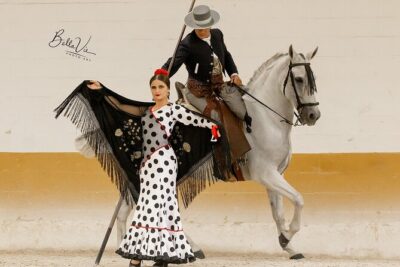
Guided horseback tour through the Guadalhorce Valley
Read our review →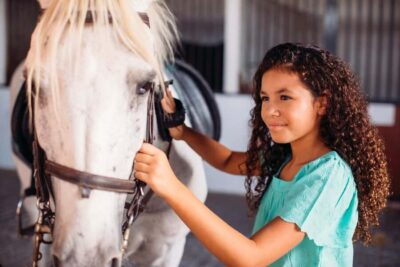
Malaga – 1-hour Horseback Riding Tour with a Local Guide through the Guadalhorce Valley
Read our review →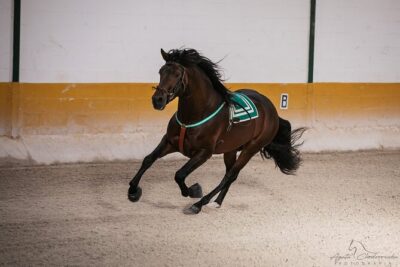
Andalucia Bull and Horse Farm and Ronda Private Tour from Malaga
Read our review →More rides of this kind