
Review · TRUJILLO
Trujillo Moon & Sun Temples,Horses Show,chan chan,Huanchaco
Ancient adobe cities meet living traditions here. This full-day outing links the Huacas de Moche, the great mud city of Chan Chan, a Peruvian Paso horse performance, and the fishing village of Huanchaco. It gives you a useful sweep of the Trujillo area in one day, with an English-speaking guide, hotel pickup, and transport included.
I especially like the chance to see the Moche pyramids before visiting Chan Chan, since the two sites represent different cultures and different periods of northern Peru. I also like the Peruvian Paso horses, whose smooth, unusual walking style adds a living cultural show to a day otherwise centered on ruins. The main caution is important: the schedule may force you to choose between the Chan Chan museum and the Marinera horse-and-dance show after lunch, so confirm the exact plan before paying.
Key points to know before booking
- The Huacas de Moche date from the first century AD, making them the oldest major archaeological stop on this route.
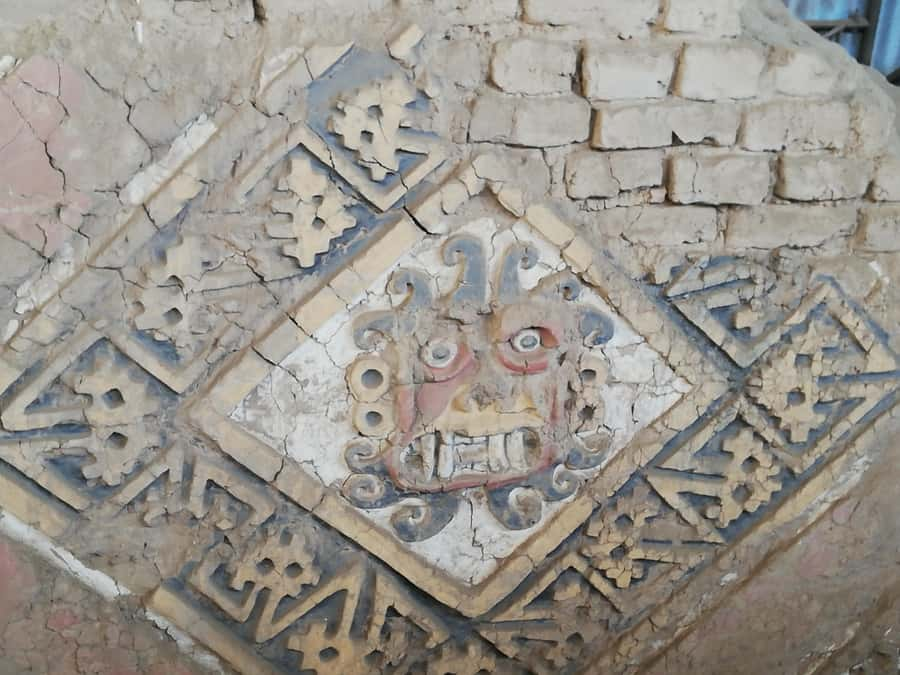
- The Moche temples were painted adobe power centers, not plain piles of mud. Their surviving colors and wall designs help explain the culture.
- Chan Chan was the capital of the Chimú Kingdom, founded around 900 AD and recognized as a UNESCO World Heritage Site.
- Peruvian Paso horses walk with a distinctive smooth motion, often paired with traditional Marinera dancing.
- Huanchaco adds a coastal finish, with time for photographs of the famous totora reed boats called caballitos de totora.
- The $75 price excludes entrance tickets, food, drinks, and hotel drop-off, so your final cost will be higher.
A full day among three northern Peruvian cultures
This tour packs a lot into a stated departure window of about 9:00 a.m. to 4:00 p.m. You are not simply visiting one archaeological site. You are moving through Moche temples, Chimú architecture, Spanish-influenced Peruvian performance, and the coastal fishing traditions of Huanchaco.
That variety is the best reason to consider it. If you have only one day around Trujillo, you can see the area’s main cultural attractions without arranging several separate excursions. The trade-off is pace. Each stop receives only part of the day, and an itinerary covering this much ground leaves little room for a slow, wandering visit.
Pickup is included from a hotel in Trujillo, and you are asked to wait in the lobby about 10 minutes before departure. Transport is described as a shared vehicle, while the booking information also calls the group private. Those details do not fully match, so ask the operator whether your vehicle and sightseeing group will be private or shared.
More Shows in Peru:
- Hurghada: Sea & Desert Horse Tour, Stargazing, Dinner & Show
★ 4.5 · 1,592 reviews - Torremolinos: Spanish horse and flamenco show
★ 4.5 · 162 reviews - Horse and Flamenco Show in Malaga
★ 4.5 · 125 reviews
Huacas de Moche and the Moon and Sun Temples
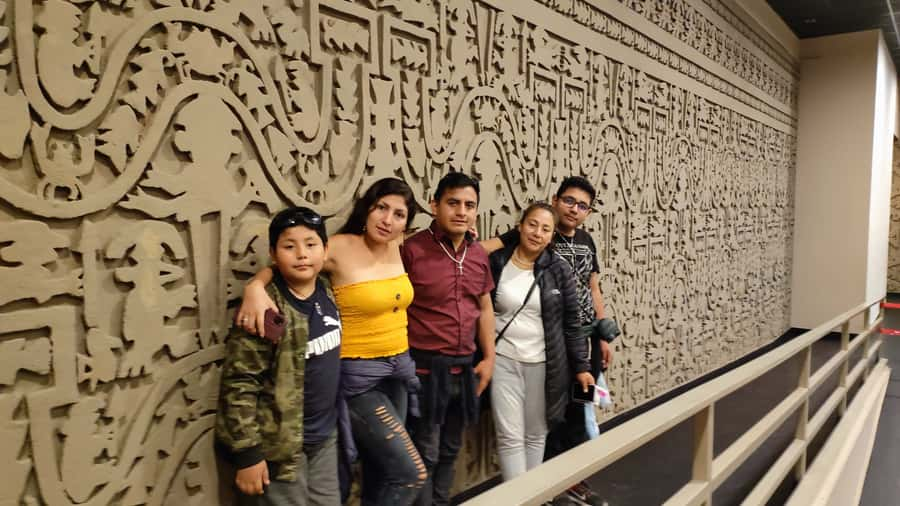
The first major stop is the Huacas de Moche, usually presented as the Moon and Sun Temples. These adobe pyramids were centers of government and power for the Moche culture, which developed in northern Peru from around the first century AD.
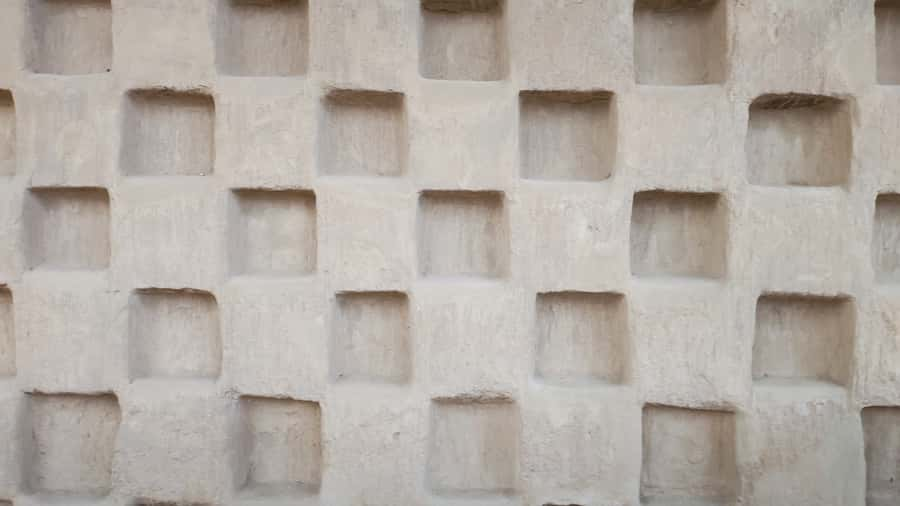
The word huaca refers to a sacred place or monument. Here, that means more than a large mound. The temples were built from adobe and clay, then decorated with painted designs and reliefs. The Moche were skilled architects and artists, and their work gives you a stronger sense of the society than a visit to bare stone foundations would.
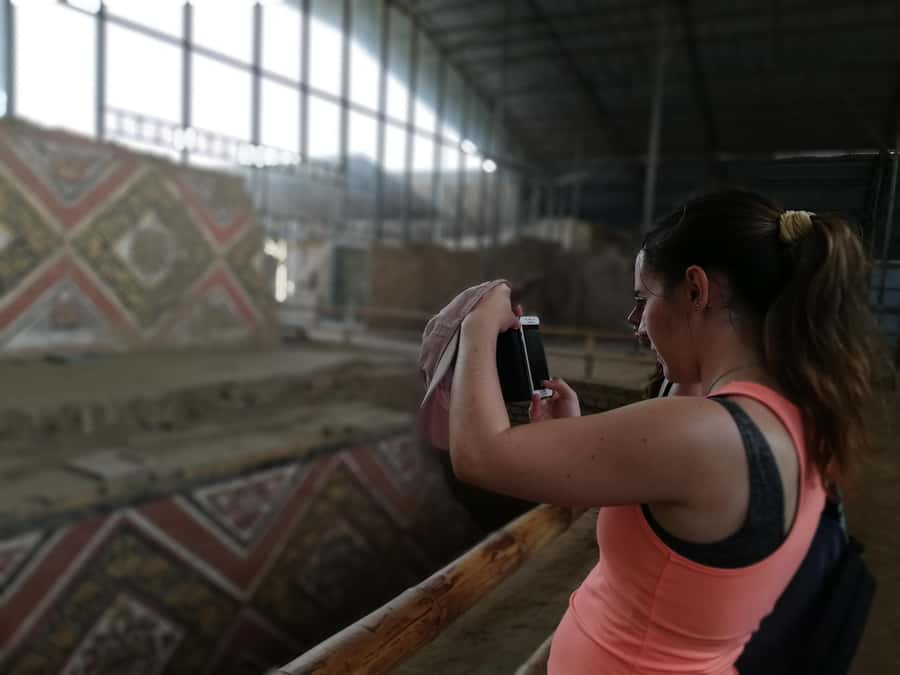
The Moon Temple is especially important to the visit because its preserved surfaces show the Moche use of color and imagery. You might see sections of polychrome decoration and sculpted figures, depending on the areas open during your visit. These details are easy to miss if you rush, so stay close to the guide and ask what is original, restored, or protected.
The Sun Temple is part of the same archaeological complex, although the surviving remains and access arrangements may differ. The site is broad and exposed, so a hat, comfortable shoes, water, and sun protection are sensible. The supplied information specifically recommends comfortable footwear, a hat, a camera, and cash.
The greatest value here is context. Later in the day, Chan Chan can seem like an enormous maze of walls and courtyards. At Huacas de Moche, your guide can help you read the adobe architecture as a working center of Moche authority. You begin to see how religion, government, art, and ceremony were tied together.
The Huacas Museum and its collection of Moche ceramics
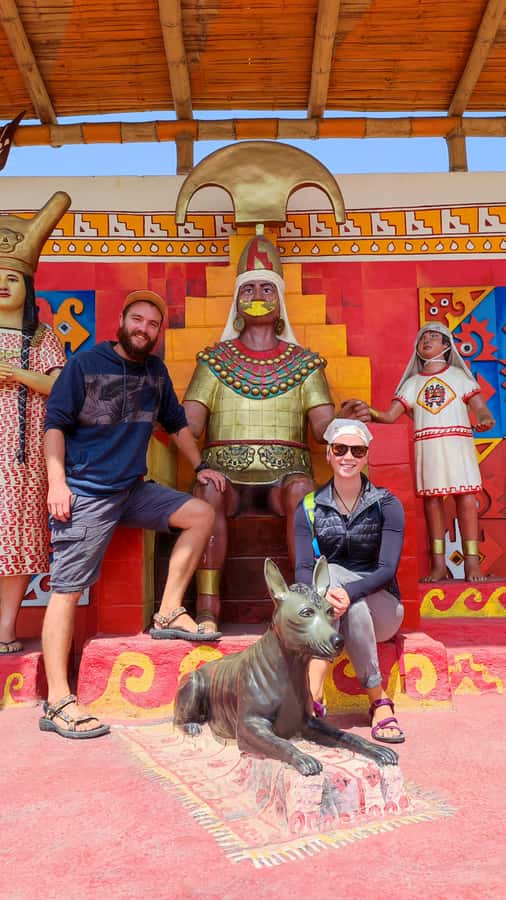
The nearby Huacas Museum adds smaller objects to the monumental ruins. About 300 ceramics of cultural importance are preserved there, giving you a close look at the Moche artistic tradition.
This stop matters because the pyramids show scale, while the museum shows detail. Ceramics can reveal clothing, animals, rituals, faces, and everyday forms that are difficult to understand from an adobe wall. If you enjoy archaeology, this may be one of the most useful parts of the morning.
A guide can make a major difference in a museum of this kind. A collection of vessels can blur together when you do not know what to look for. The tour includes a Spanish-English guide, and English-language guiding is listed as available. One guide named Mariza is specifically praised for her passion and for answering questions, although you should not assume she will lead every departure.
Entrance fees are not included in the $75 price. That is a key budget point. The advertised price covers transport, guide service, hotel pickup, and personalized attention, but you need extra cash for tickets and personal spending.
Peruvian Paso horses and Marinera traditions
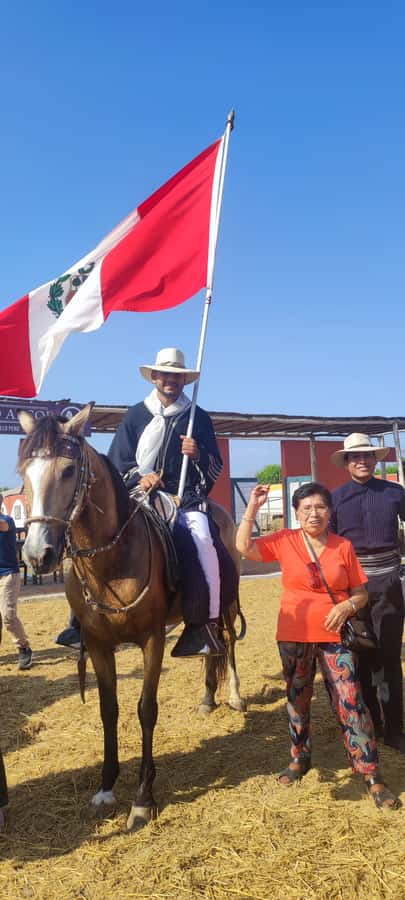
The horse show brings a different kind of heritage into the day. Peruvian Paso horses are known for a smooth way of walking, and the performance may pair the horses with traditional dancing, including Marinera.
This is not just a pause between ruins. It shows how Peruvian identity continues through music, horsemanship, dress, and dance. The smooth gait is the central feature. Instead of the rough movement you may expect from a normal ride, the horse’s steps are controlled and distinctive.
The exact schedule is the point to clarify. The description presents the horse show and traditional dances as part of the day, but the available booking information indicates that after lunch you may need to choose between visiting the Chan Chan museum and attending the Marinera show. Both activities are reportedly scheduled at the same time.
That choice can affect the value of the tour. If seeing the horses is essential to you, ask before booking whether the show is guaranteed on your departure date. If your priority is archaeology, you may prefer the museum. The title suggests you can see everything in one day, but the timing may not allow all attractions.
A few more horse rides around Peru worth a look
- Cusco: 3-Hour Horse Riding Tour to the Temple of the Moon
★ 5.0 · 105 reviews - Cusco: Half-Day Horseback Riding at Devil’s Balcony
★ 4.9 · 89 reviews - Horse Riding Chacan Mountain And Temple Of The Moon
★ 5.0 · 78 reviews - Horseback Tour in cusco to Temple of the Moon & Hidden temples
★ 5.0 · 54 reviews
Chan Chan, the Chimú capital of mud
Chan Chan is the day’s largest archaeological stop. Built by the Chimú Kingdom from around 900 AD, it was the capital of a powerful coastal state. The city is made largely from mud brick, with walls, courtyards, passageways, and decorated surfaces arranged across a huge area.
It is recognized as a UNESCO World Heritage Site and is described as the largest mud city in America. That scale changes how you experience the ruins. At Huacas de Moche, you focus on temples and artwork. At Chan Chan, you think about urban planning, administration, ceremony, and the organization of a major capital.
The city’s mud construction is also its weakness. Wind and rain can damage earthen walls, and conservation is an ongoing concern. Stay on marked routes and follow the guide’s instructions. The ruins are impressive, but they are not a place for careless climbing or wandering beyond protected areas.
You should expect Chan Chan to feel spacious and sun-exposed. Comfortable shoes matter here, and a hat is more than a packing suggestion. Bring your camera, but also bring patience. The most memorable parts may be the decorated wall patterns and the shape of the compounds, not one single grand monument.
The Chan Chan museum is a separate consideration. If the schedule makes you choose between the museum and the horse show, decide which kind of experience fits you better. The museum offers more objects and explanation. The horse show offers music, movement, and a living tradition. Neither is automatically the better choice.
Huanchaco and the caballitos de totora
The final stop is Huanchaco, a coastal village known for the old totora reed boats called caballitos de totora. These narrow craft are one of the area’s most recognizable sights and connect the modern shoreline with long-running fishing traditions.
The scheduled visit is a chance to relax and take photographs after the archaeological sites. That change of pace is welcome. You can look at the boats, enjoy the coastal setting, and finish the day with something less formal than a museum or protected ruin.
The information does not promise beach time, swimming, or a long free period, so plan on a photo stop rather than a full coastal outing. Food and drinks are also not included. If you want lunch or refreshments, carry cash and ask your guide when and where the meal break will happen.
Huanchaco gives the day a useful ending because it shows that northern Peru is not only about ancient monuments. The reed boats remain a visible part of the local identity. Even a short stop can help connect the archaeological past with the living coast.
What the $75 price really covers
At $75 per person, this is not the cheapest way to visit one site. But it may offer fair value if you want several major stops handled in one day. Transport, hotel pickup in Trujillo, an English-speaking guide, personalized attention, and security protocols are included.
The price does not include entrance tickets, food, drinks, or hotel drop-off. Those extras matter because the tour covers multiple attractions. Before you book, ask for the current total admission cost and confirm whether lunch is taken at a restaurant or arranged independently.
The guide is a major part of the value. A good explanation can turn the Moche and Chimú remains from walls into understandable places. The positive comments about Mariza suggest the guiding can be a real strength when she is assigned, particularly for visitors who want to ask questions rather than simply follow a flag.
The schedule issue keeps the price from being an automatic bargain. If you pay more than competing tours because you expect to see the temples, museum, horse show, Chan Chan, and Huanchaco, make sure the operator confirms what is actually included on your date.
Who will enjoy this day most
I would recommend this outing to you if you want a broad introduction to Trujillo’s major cultural sites and prefer one organized day over several separate bookings. It suits first-time visitors, archaeology fans, and anyone who wants both ancient ruins and a traditional Peruvian performance.
It is also a good fit if you value a live English guide. The route has enough historical material that guiding can improve the experience, especially at the Huacas museum and Chan Chan.
You may want a different plan if you prefer slow visits, long museum time, or complete control over your schedule. The route is full, and the possible choice between the Chan Chan museum and Marinera show is a real limitation. It is not suitable for cruise ship passengers, people over 95, or people weighing more than 140 kilograms, according to the supplied restrictions.
Book only after confirming the afternoon schedule. If the operator guarantees the stops you care about, $75 can be a practical way to cover a large part of the Trujillo area. If the show and museum remain mutually exclusive, choose this tour only if you are comfortable giving one of them up.
Practical details for a smoother day
Wear shoes that can handle uneven archaeological surfaces. A hat and camera are recommended, and cash is useful because admissions, meals, drinks, and personal expenses are not covered.
You can cancel up to 24 hours before the activity for a full refund, and the reserve-now, pay-later option keeps your plans flexible. The tour offers ticket-line skipping, but the entrance fees themselves are still extra.
The listed rating is 4.2 from two ratings, so treat it as a small sample rather than a final verdict. The strongest praise centers on the temples and the quality of guide Mariza. The clearest warning concerns the scheduling conflict after lunch.
Should you book it?
Book this tour if your goal is to see the Moche temples, Chan Chan, Huanchaco, and a Peruvian cultural performance in one organized day. The combination is strong, and the route gives you more variety than a temple-only excursion.
I would not book without confirming the afternoon choices. The difference between seeing both the Chan Chan museum and Marinera show, or choosing only one, affects the tour’s value. Ask exactly what happens after lunch, what entrance fees cost, and whether the vehicle and group are private or shared.
If those points are clear and match your priorities, this is a useful, culture-heavy day around Trujillo.
FAQ
Where does the tour take place?
The tour visits the Huacas de Moche Moon and Sun Temples, the Huacas Museum, a Peruvian Paso horse and Marinera show, Chan Chan, and Huanchaco.
How long does the activity last?
It is described as a full-day activity, with a stated schedule from about 9:00 a.m. to 4:00 p.m.
Is hotel pickup included?
Yes. Pickup is included from hotels located in Trujillo. You should wait in the hotel lobby 10 minutes before departure.
Is hotel drop-off included?
No. Hotel drop-off is not included.
Are entrance tickets included in the price?
No. Entrance tickets are listed as an additional expense.
Are food and drinks included?
No. You need to pay separately for food and drinks.
Is an English-speaking guide provided?
Yes. The activity includes a live English-speaking guide.
Is the tour private or shared?
The booking information describes the group as private but also says that transfers use a shared vehicle. Confirm the exact arrangement with the provider.
Can I cancel for a full refund?
Yes. Cancellation up to 24 hours in advance is listed for a full refund.
Who should not book this activity?
The activity is not suitable for cruise ship guests, people over 95 years old, or people weighing more than 140 kilograms.
Just added around Peru
- Half day Horseback Riding tour around Sacsayhuaman park★ 5.0 · 37 reviews
- Horseback Riding Plus Tour to Sacsayhuaman, Quenqo, Puka Pucara and Tambomachay★ 5.0 · 40 reviews
- Temple of the Moon Horseback Riding Tour with Transfer★ 4.5 · 2 reviews
- Rainbow mountain horseback riding tour + Buffet Lunch★ 4.1 · 7 reviews
- Cusco: Rainbow Mountain Horseback Riding Tour + lunch★ 4.1 · 10 reviews
- Rainbow mountain horseback riding tour + Buffet Lunch★ 3.8 · 9 reviews
- FULL DAY| MOUNTAIN OF COLORS ON HORSEBACK★ 5.0 · 4 reviews
- Cusco: Devil’s Balcony Horseback Ride★ 5.0 · 2 reviews
Show, compared.
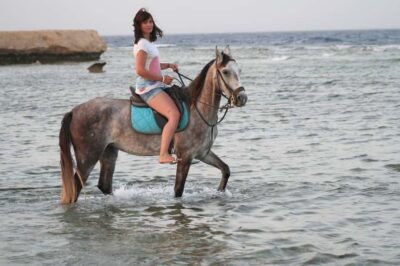
Sea & Desert Horse Tour, Stargazing, Dinner & Show
Read our review →

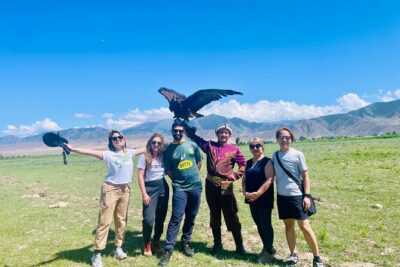
3 Days Issyk Kul lake & Chon Kemin: Eagle show, horse riding
Read our review →
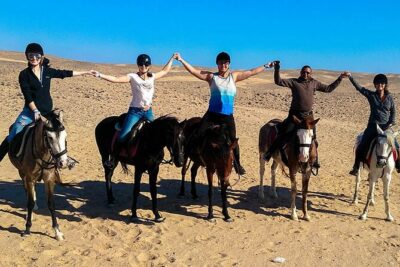
Sea & Desert Horseback Riding, Stargazing, Dinner, Show
Read our review →
Marsa Alam: Sunset Horseback with Dinner, Show & Stargazing
Read our review →
Horse’s Show Entry Ticket. Optional Stud Farm Visit
Read our review →More rides of this kind